

Nahash5150
-
Posts
8,093 -
Joined
-
Last visited
-
Days Won
393
Content Type
Forums
Events
Articles
Downloads
Gallery
Store
Everything posted by Nahash5150
-

Sunfire vaccuum tube preamp
Nahash5150 replied to Parmaniac's topic in The Welcome Shop (Please read first)
OMG you are absolutely right - I swapped the stages in my mind somewhere and stuck with it. Thanks for the correction. -
I can change the email address on your old account - it's still in the database. Just PM me and I'll get it set up for you.
-
Please take the poll to show interest if you'd like a project to build.
-
Carver PT-2400 restore
Nahash5150 replied to Nahash5150's topic in Nelion Audio's Vintage Audio Repair and Restore
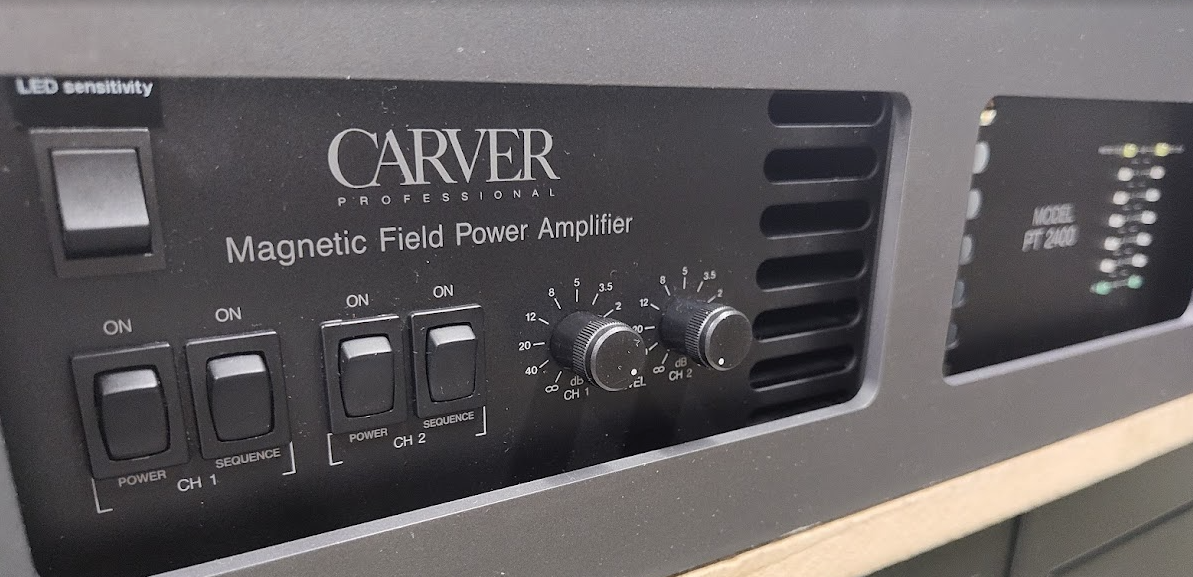
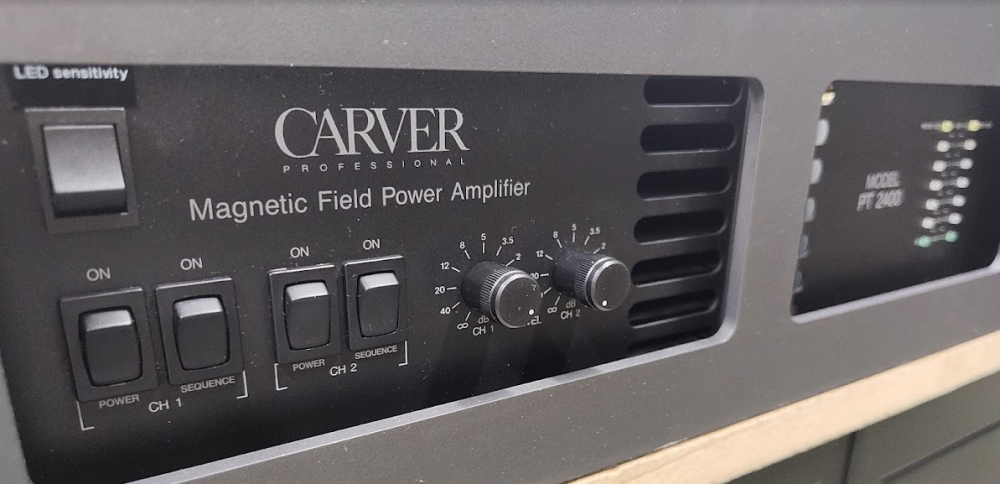
The LED sensitivity switch will allow the LEDs to 'bounce around' or respond, at lower volume levels. You really have to be hammering it to get the LEDs to respond from the factory. Here's a comparison: Here's the LED power estimates into 6 OHMS: Indicator - normal / high sensitivity LED 1 - 20W / 1W LED 2 - 42W / 2.5W LED 3 - 72W / 4.5W LED 4 - 185W / 11W LED 5 - 330W / 20W Sorry - I don't have it on the site yet. -
McIntosh 240 chassis replacement
Nahash5150 replied to Nahash5150's topic in Nelion Audio's Vintage Audio Repair and Restore
Yes - I think they are. As for the pre-tubes - no idea. But I had to provide the AU's cuz Bill didn't send me any! -
Carver PT-2400 restore
Nahash5150 replied to Nahash5150's topic in Nelion Audio's Vintage Audio Repair and Restore
Thank you! Scrubbed down with demineralized water. -
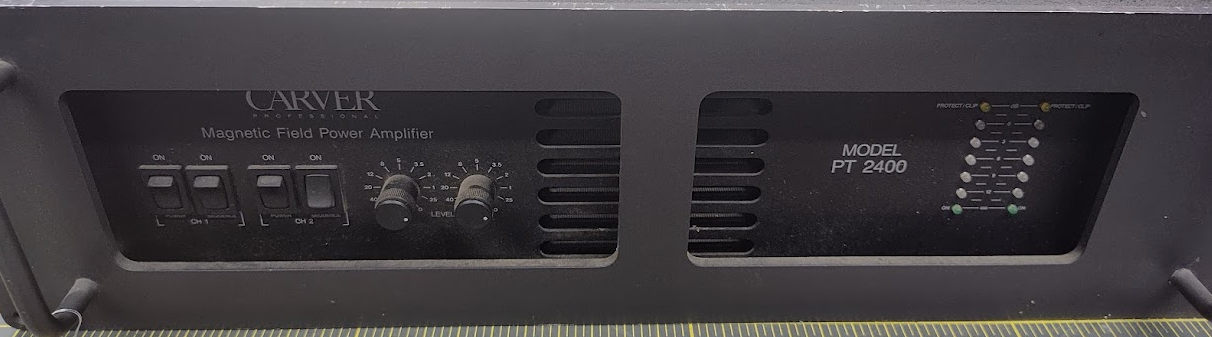
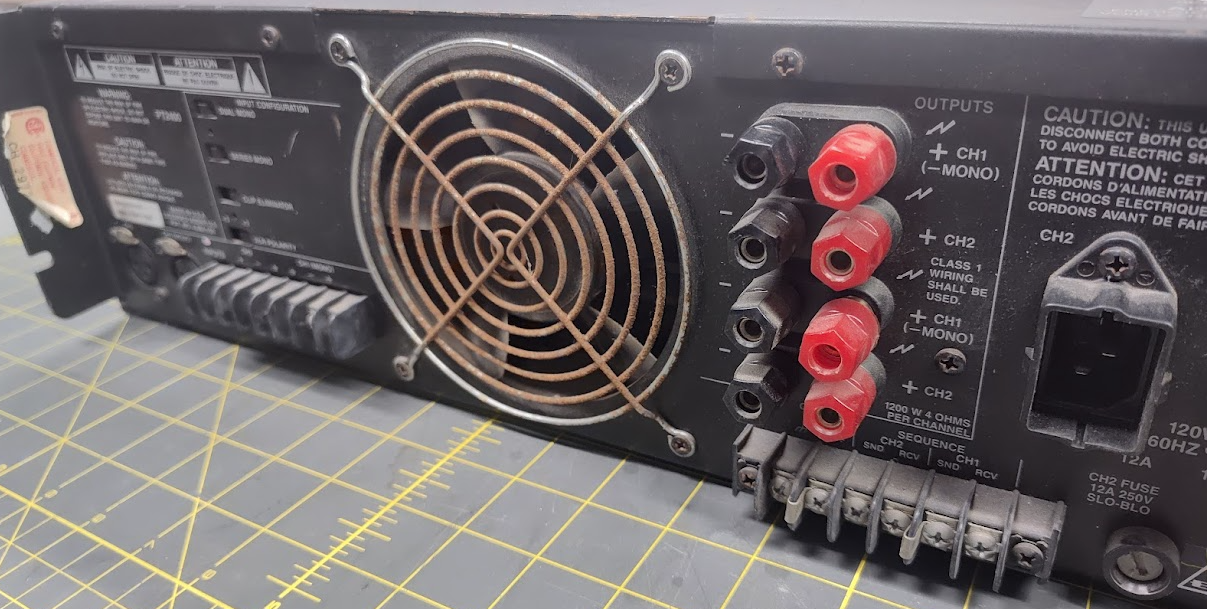
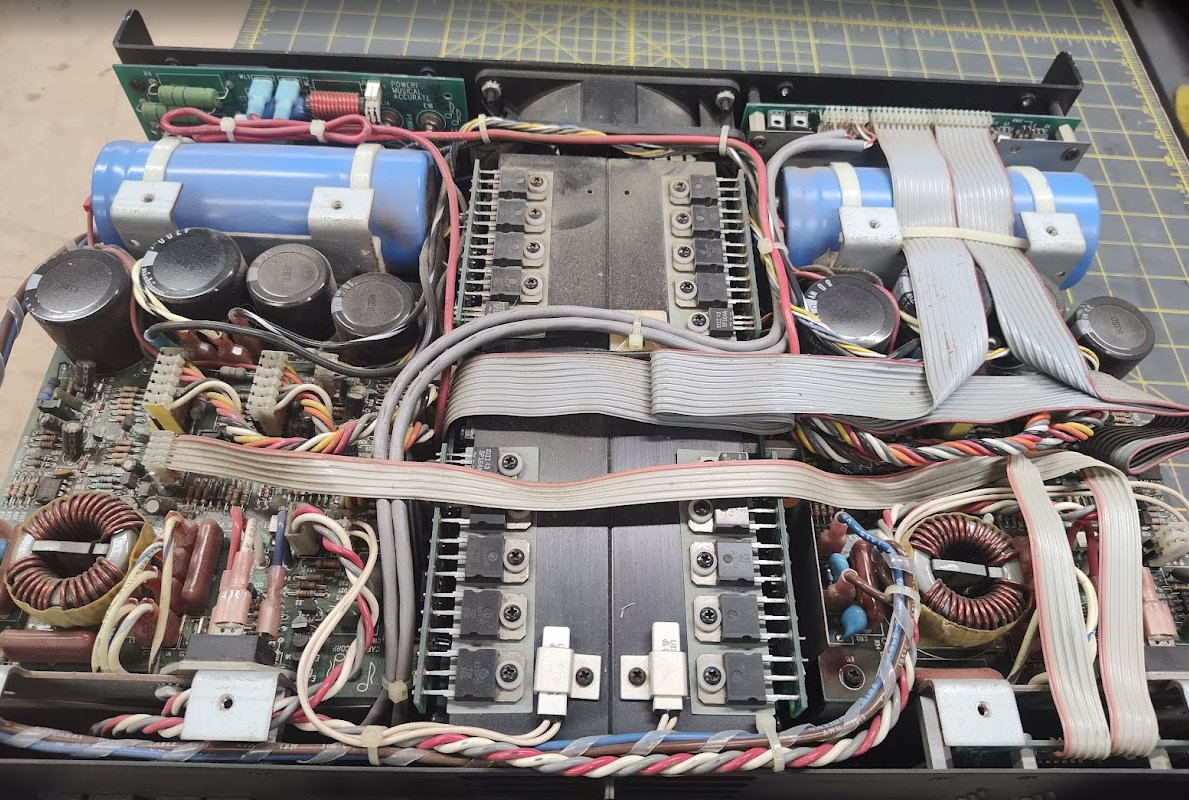
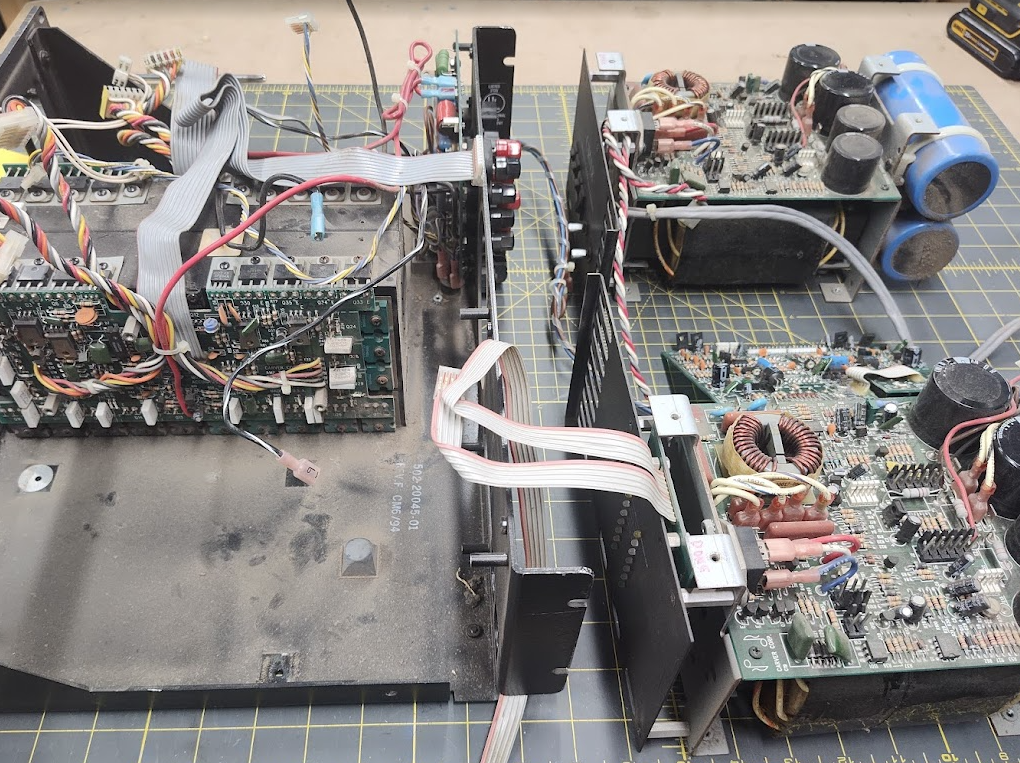
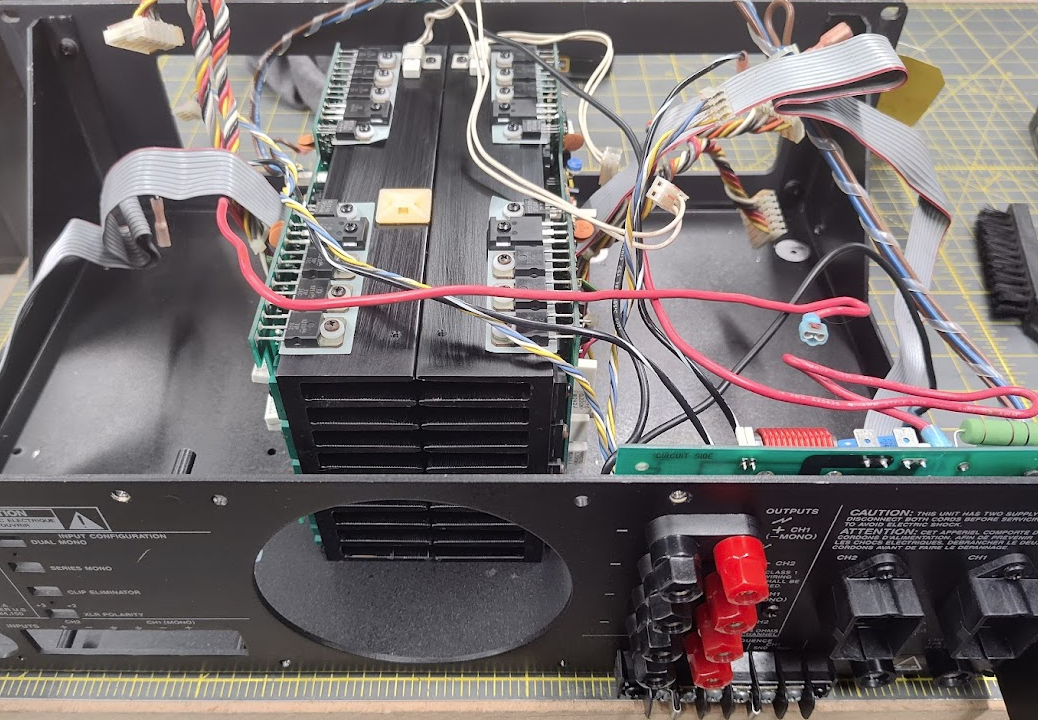
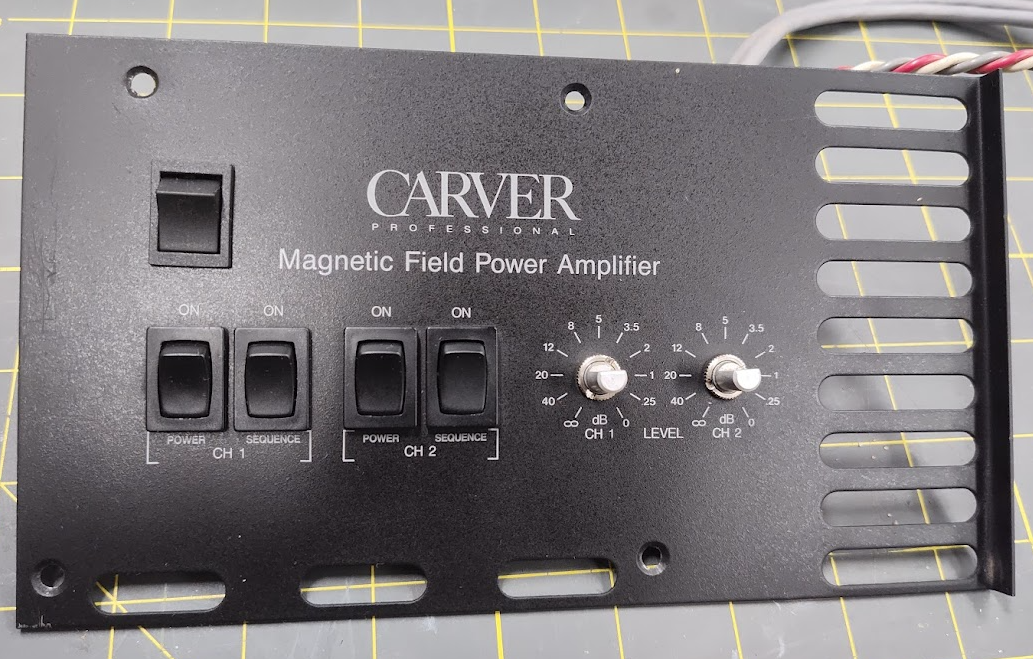
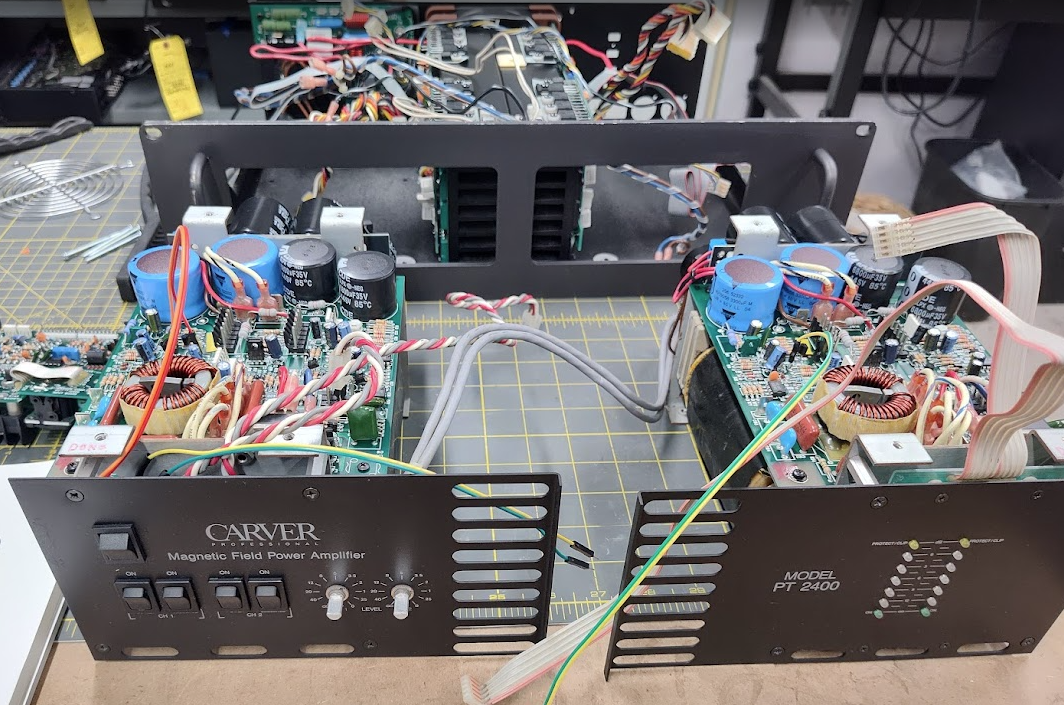
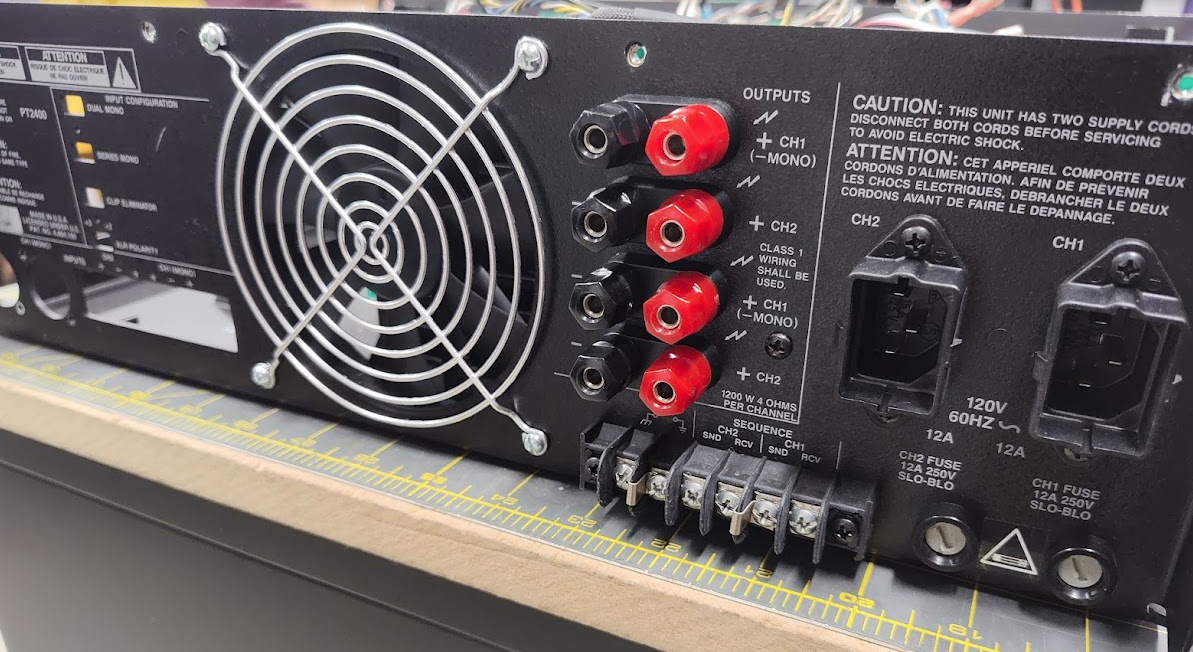
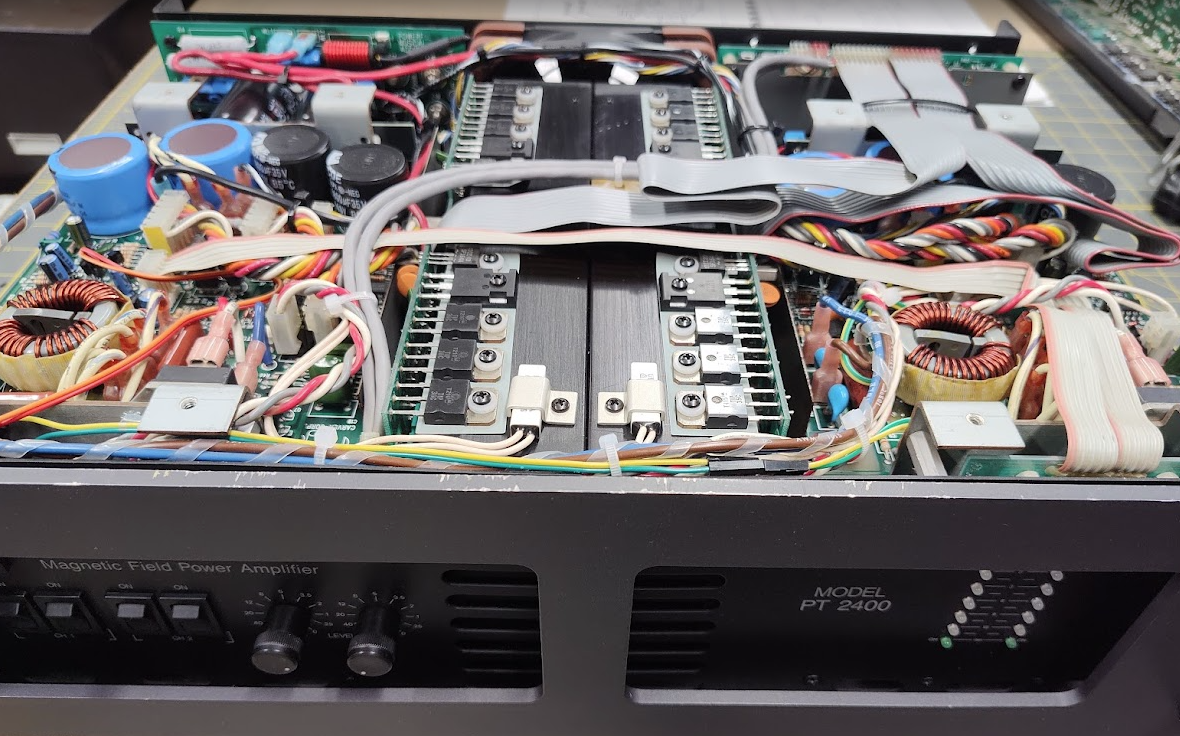
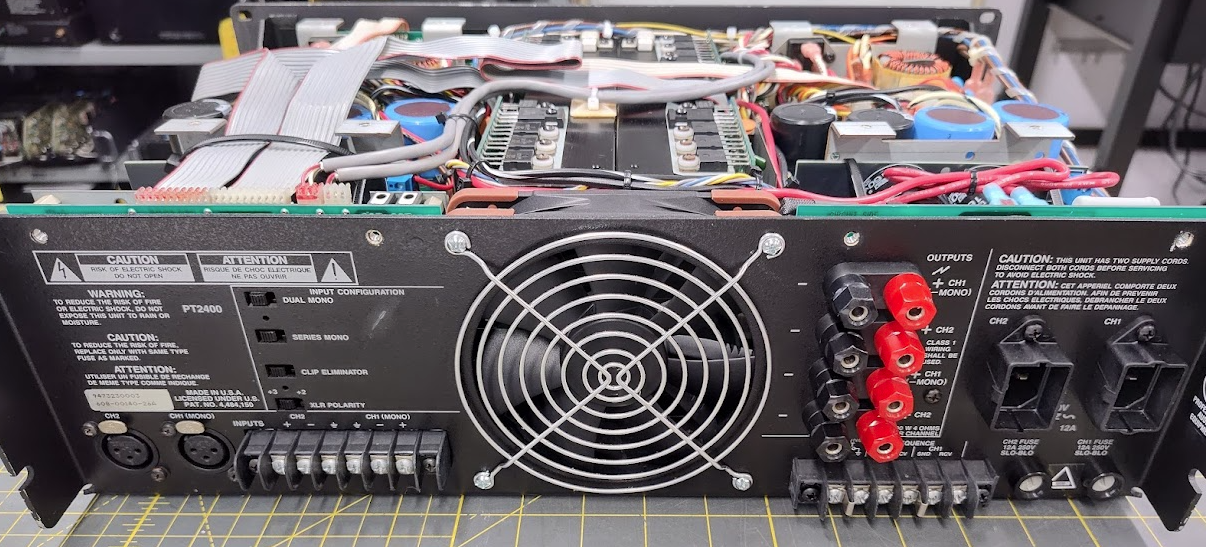
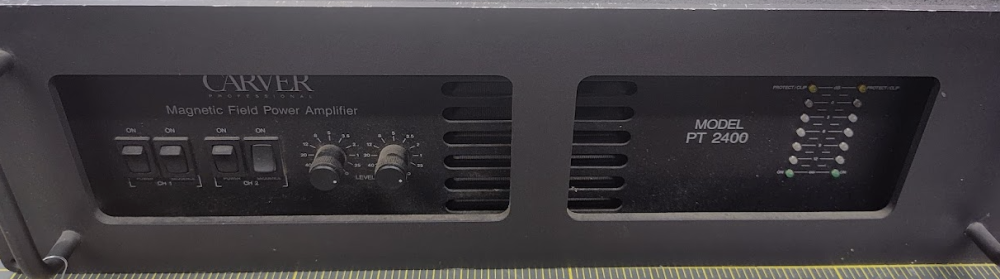
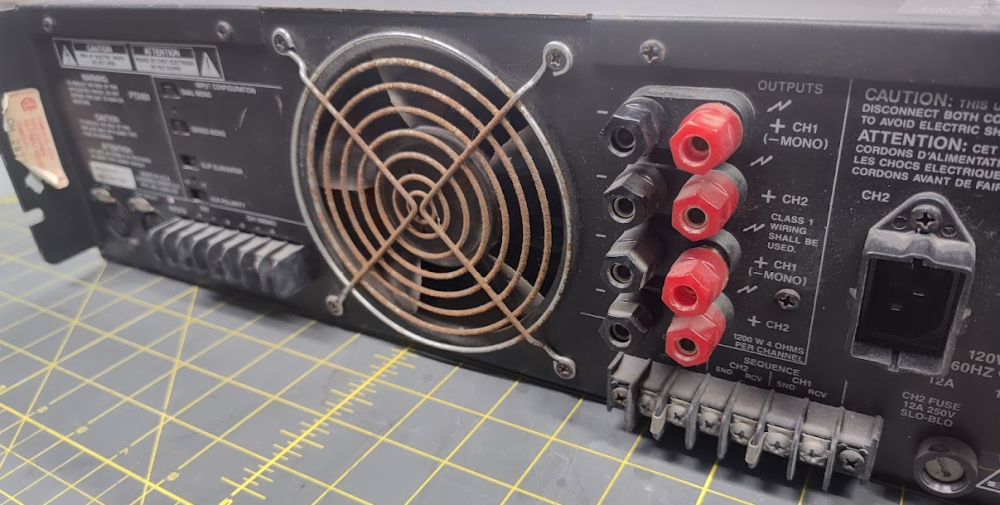
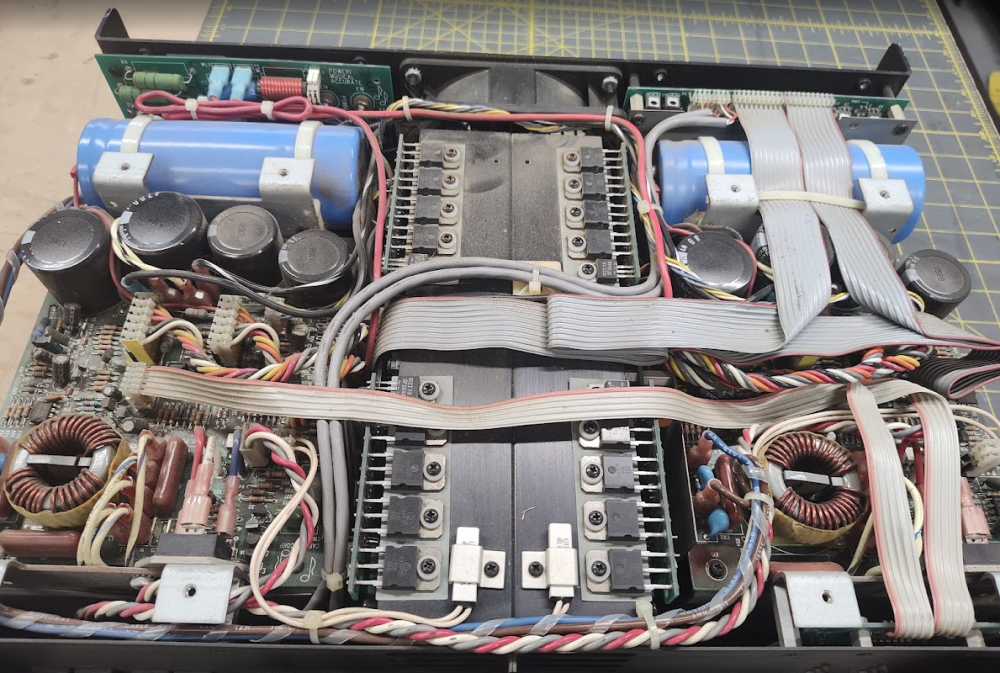
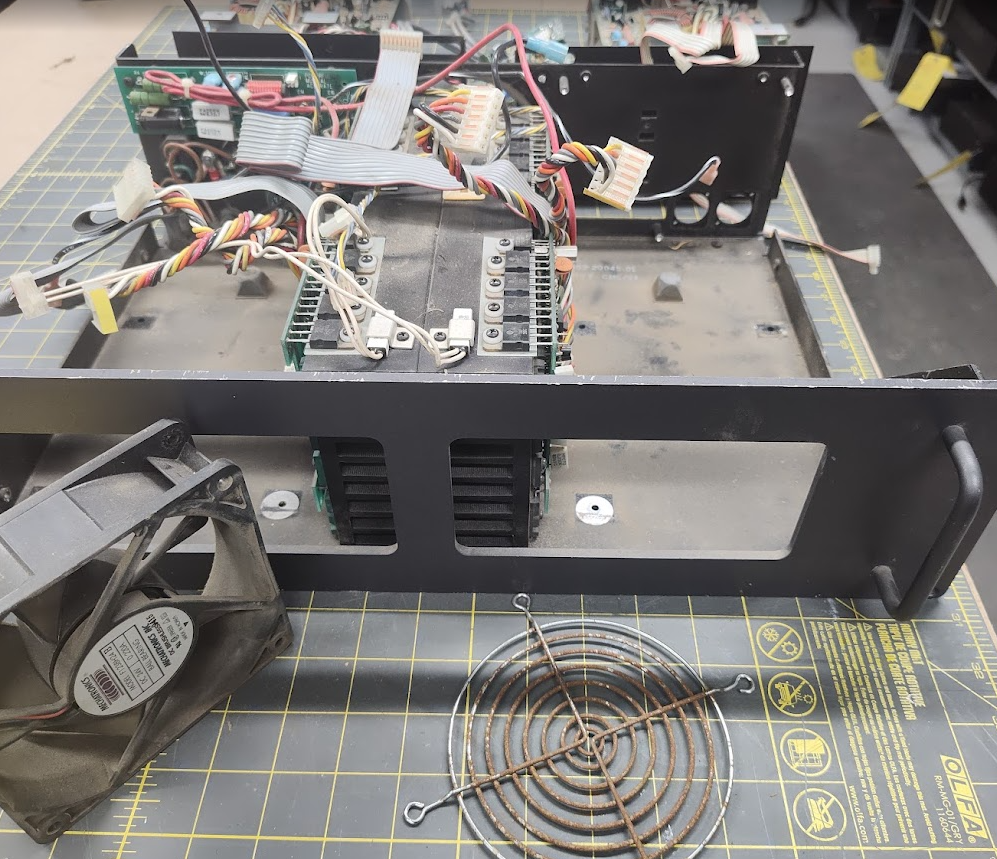
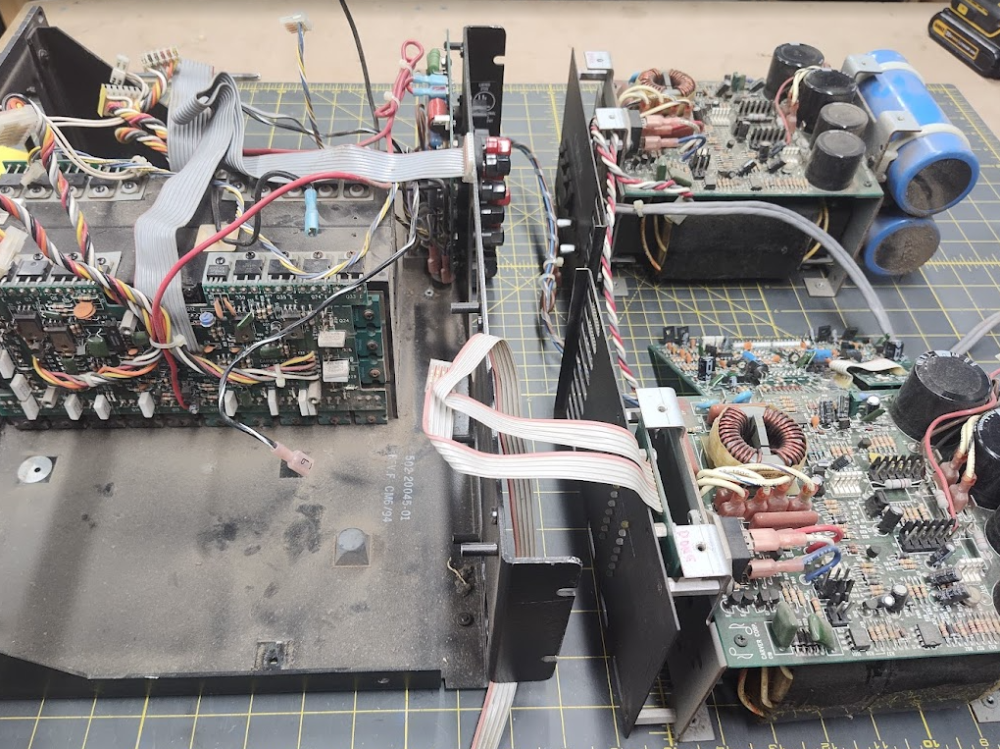
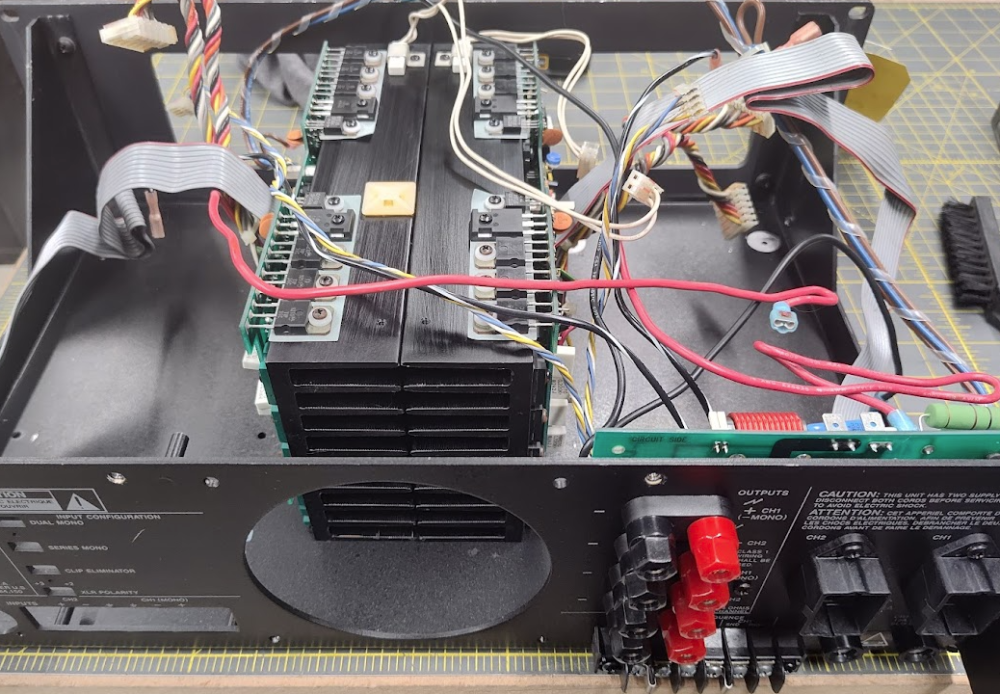
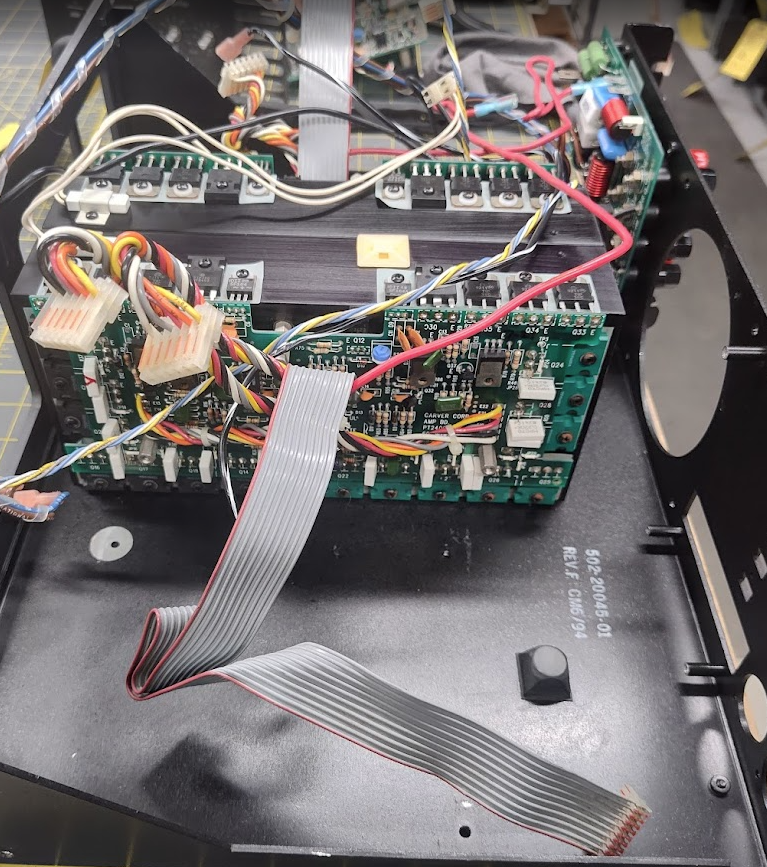
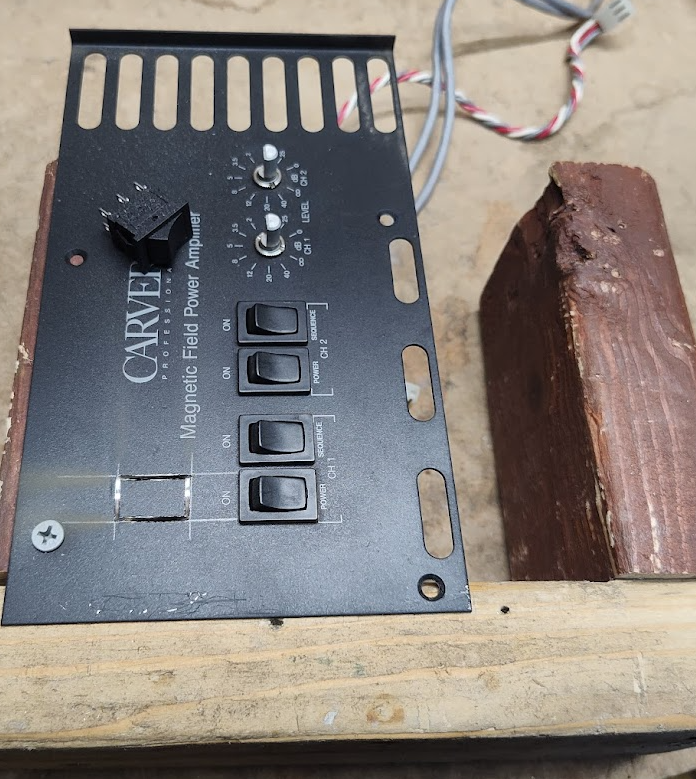
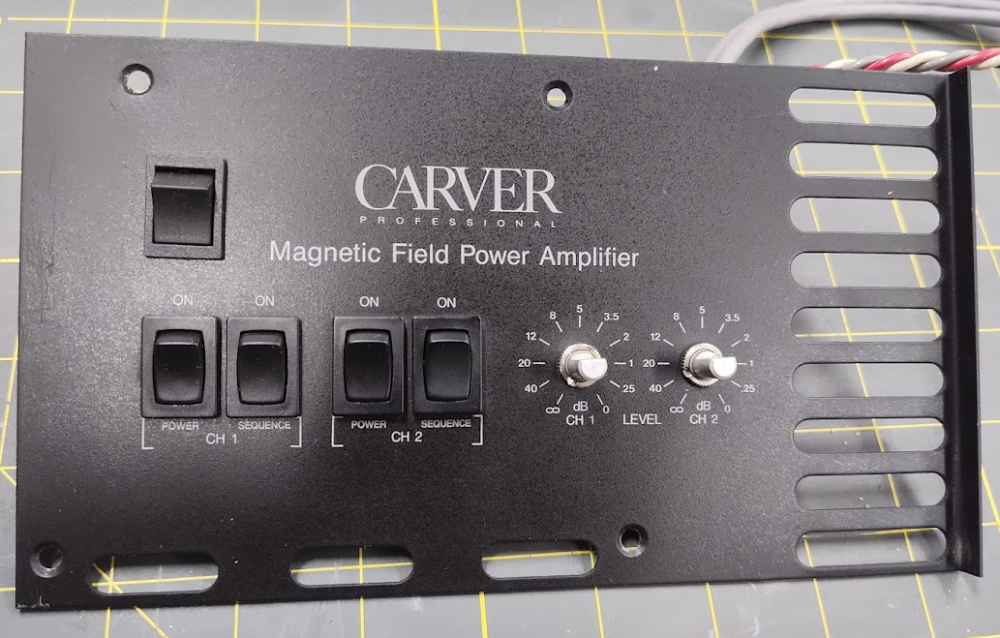
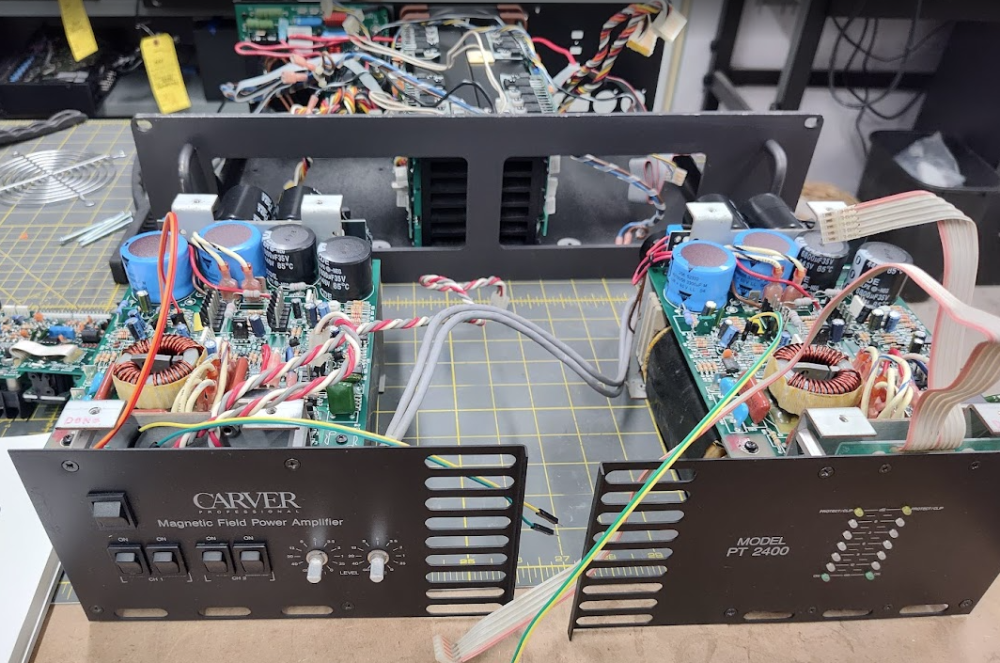
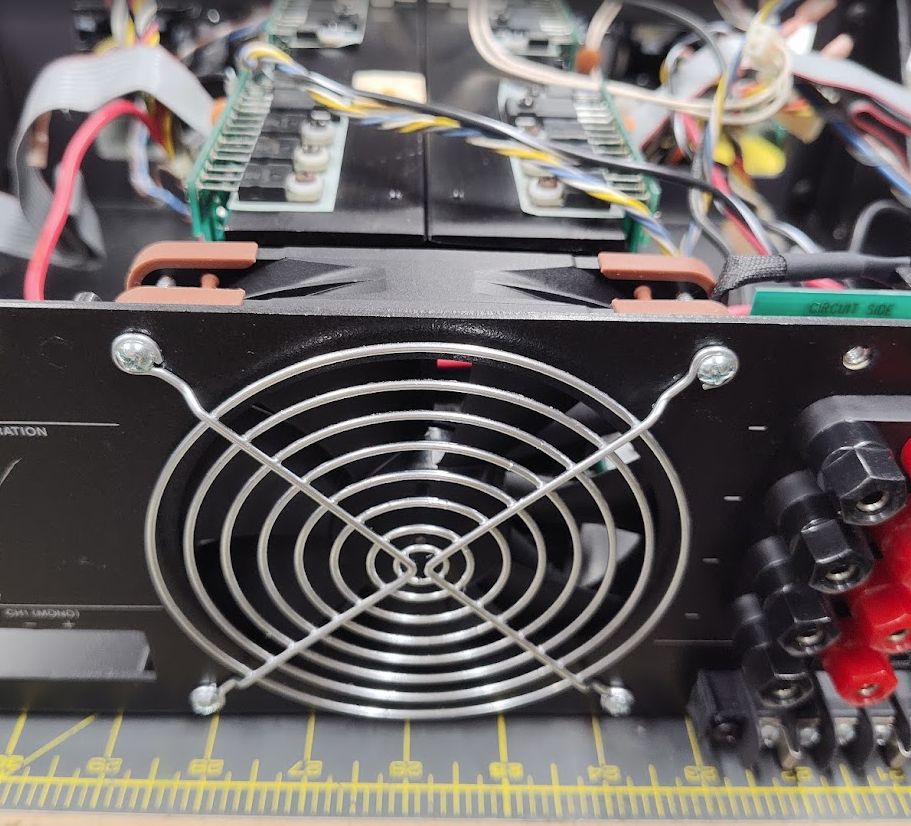
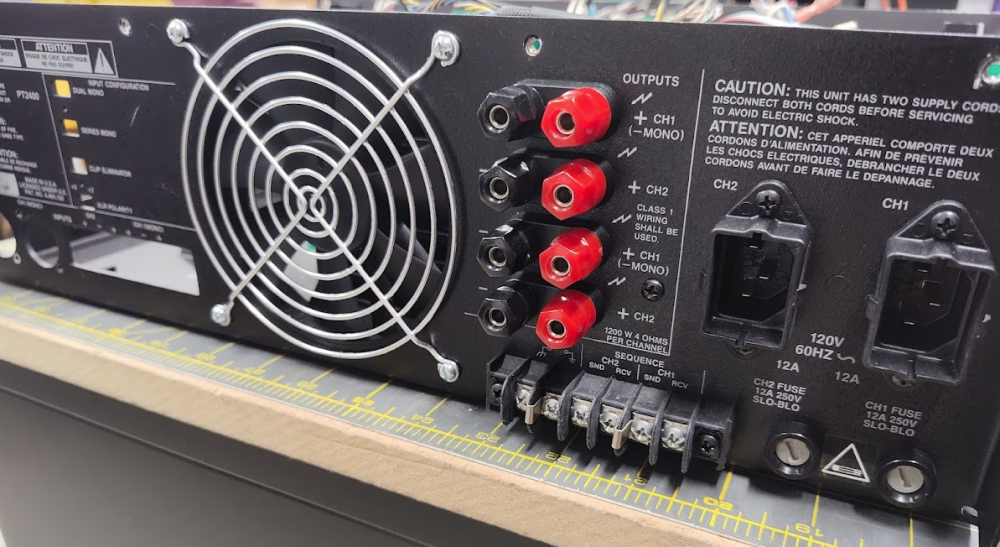
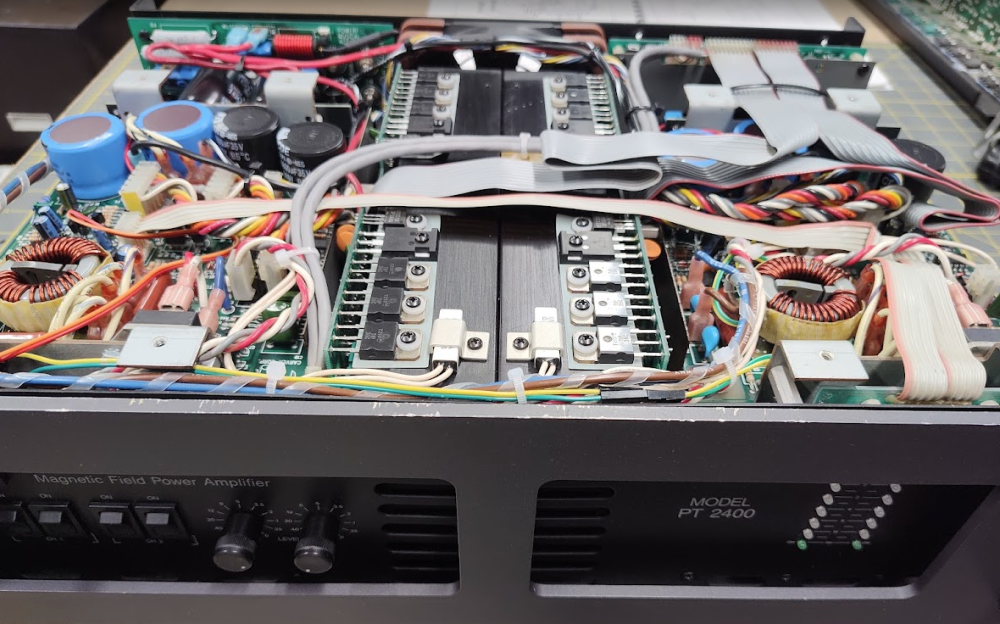
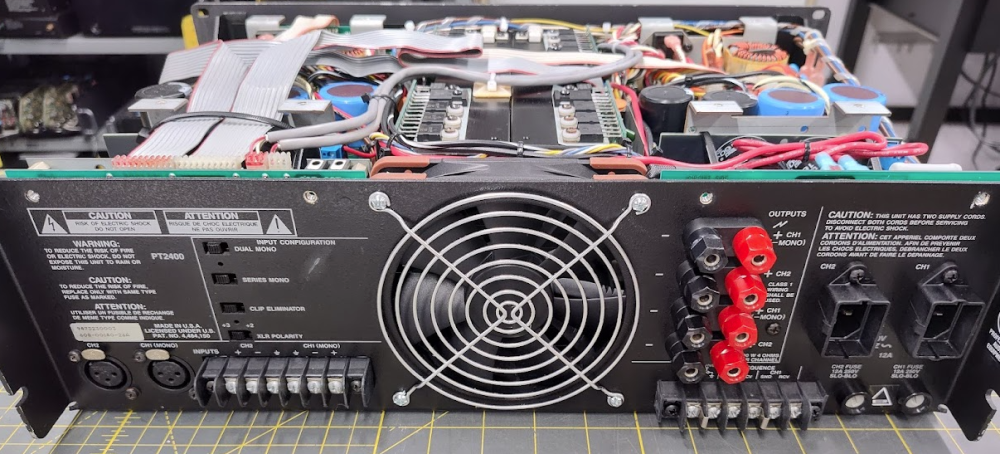
This is for @davidc. A typical dirty and rusty specimen! Decent shape. No severe burning so that's a great start. Tear down. Lots of dirt. I will take care of that rusty fan grill, and install a new quiet fan and turn down the speed to make it QUIET. Chassis cleaned up and tested. Had to replace some bad transistors. Typical. An LED sensitivity switch was requested, so I'm cutting one out here: Everything cleaned and rebuilt! New fan and restored grill: All back together: Best sounding 750W per cannel amp ever!
-
McIntosh 240 chassis replacement
Nahash5150 replied to Nahash5150's topic in Nelion Audio's Vintage Audio Repair and Restore
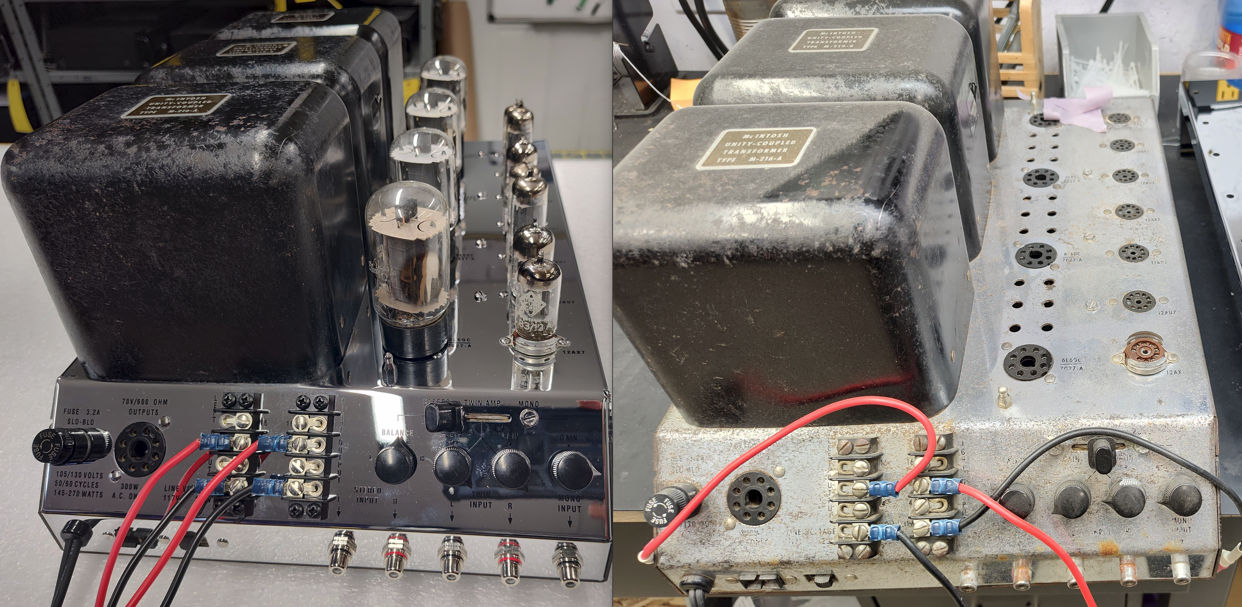
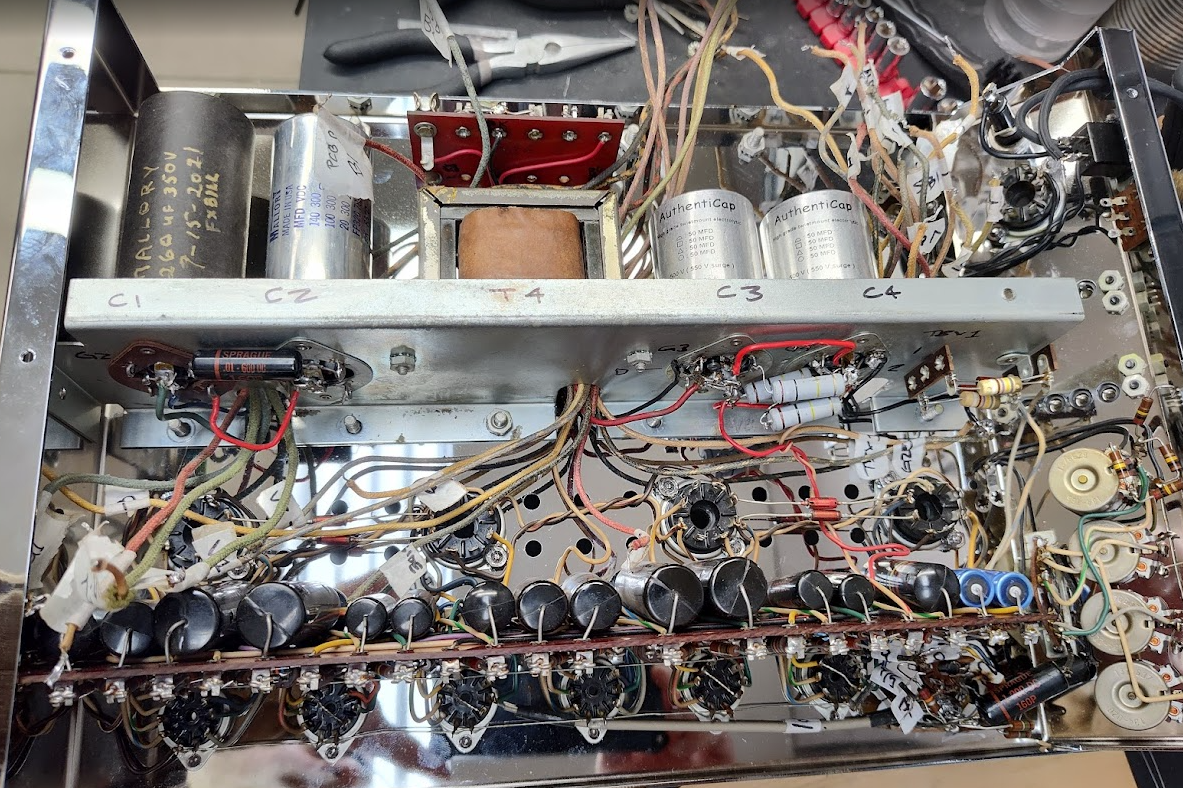
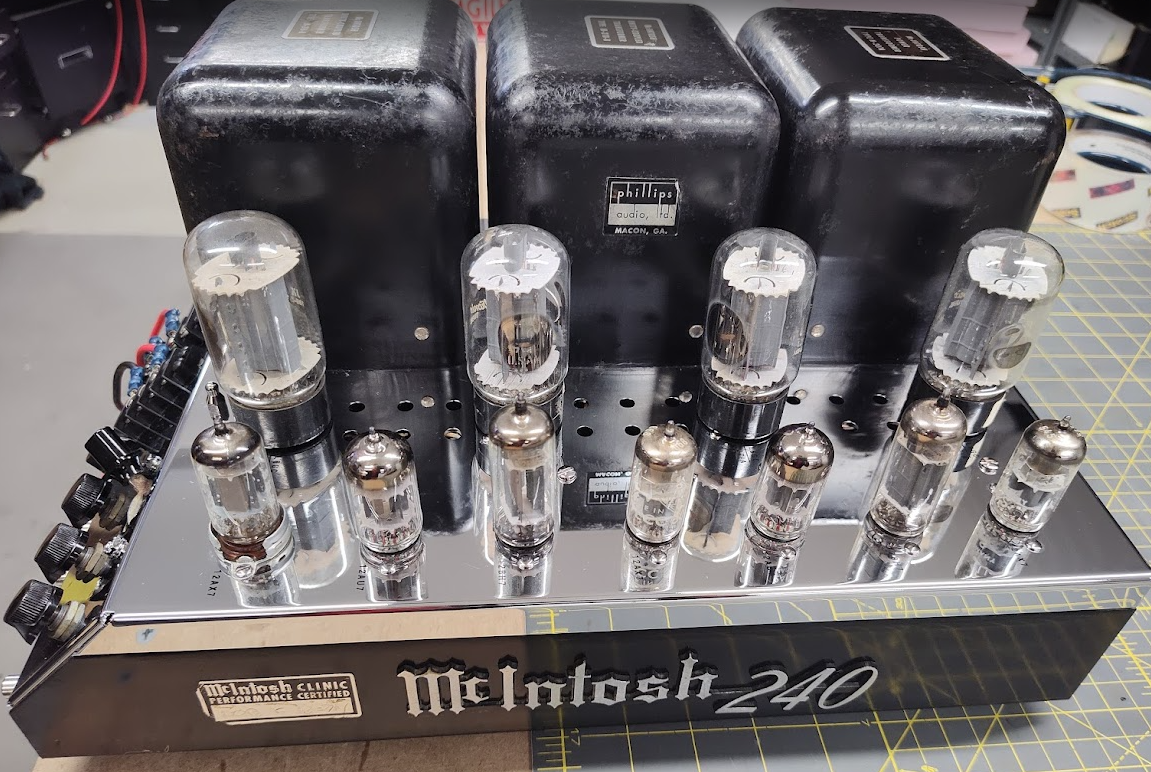
And a side-by-side: It's really hard to take pictures of this thing because it's like a mirror and I keep spotting myself in the shot!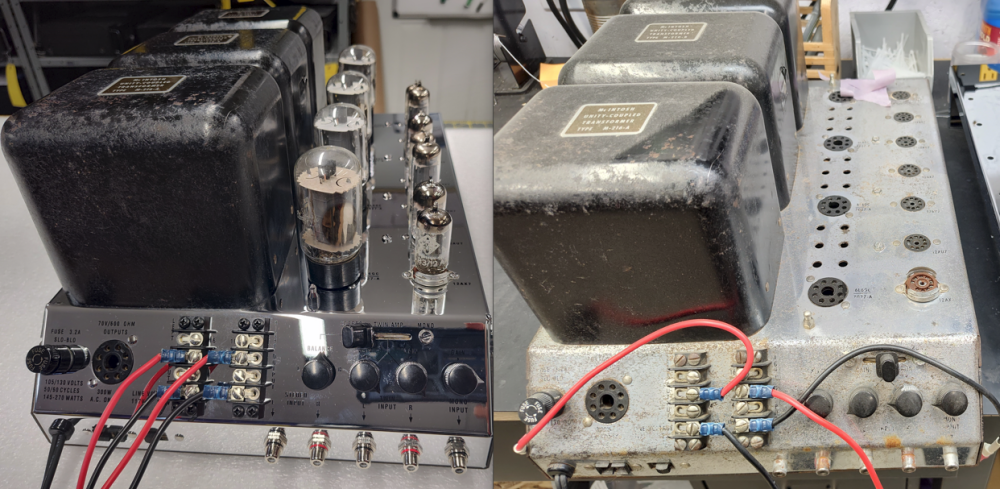
-
McIntosh 240 chassis replacement
Nahash5150 replied to Nahash5150's topic in Nelion Audio's Vintage Audio Repair and Restore
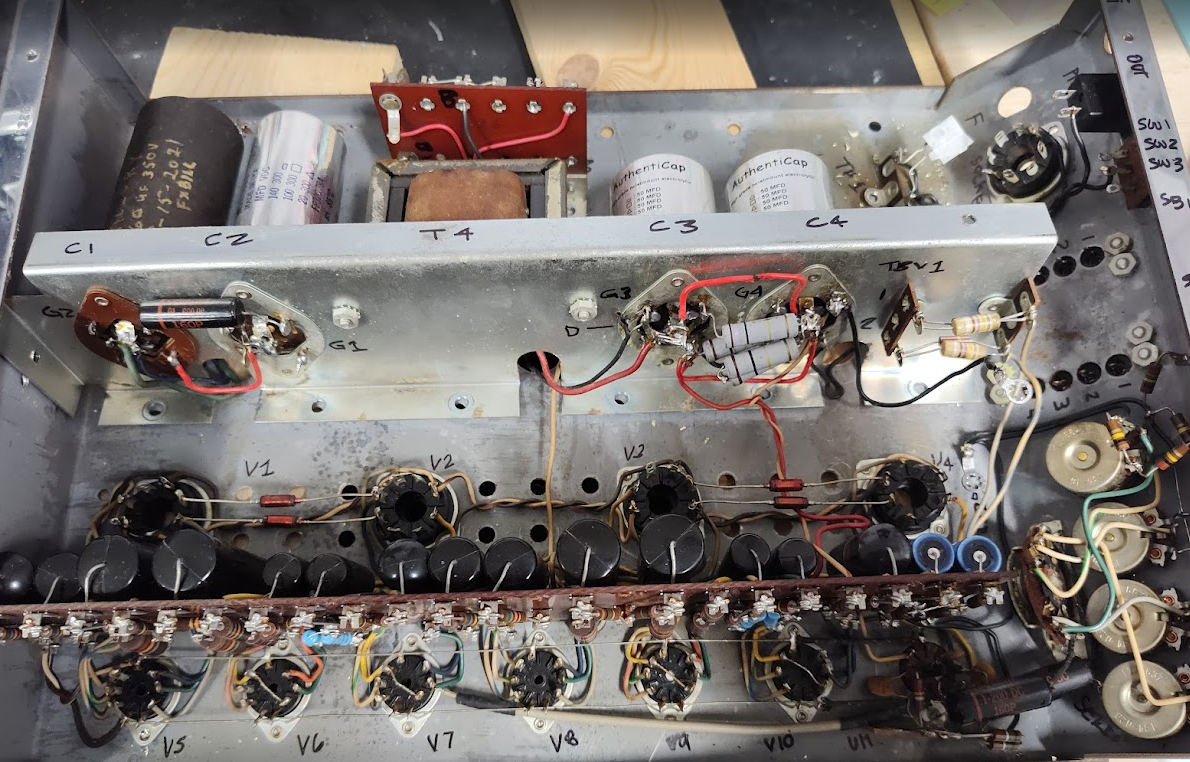
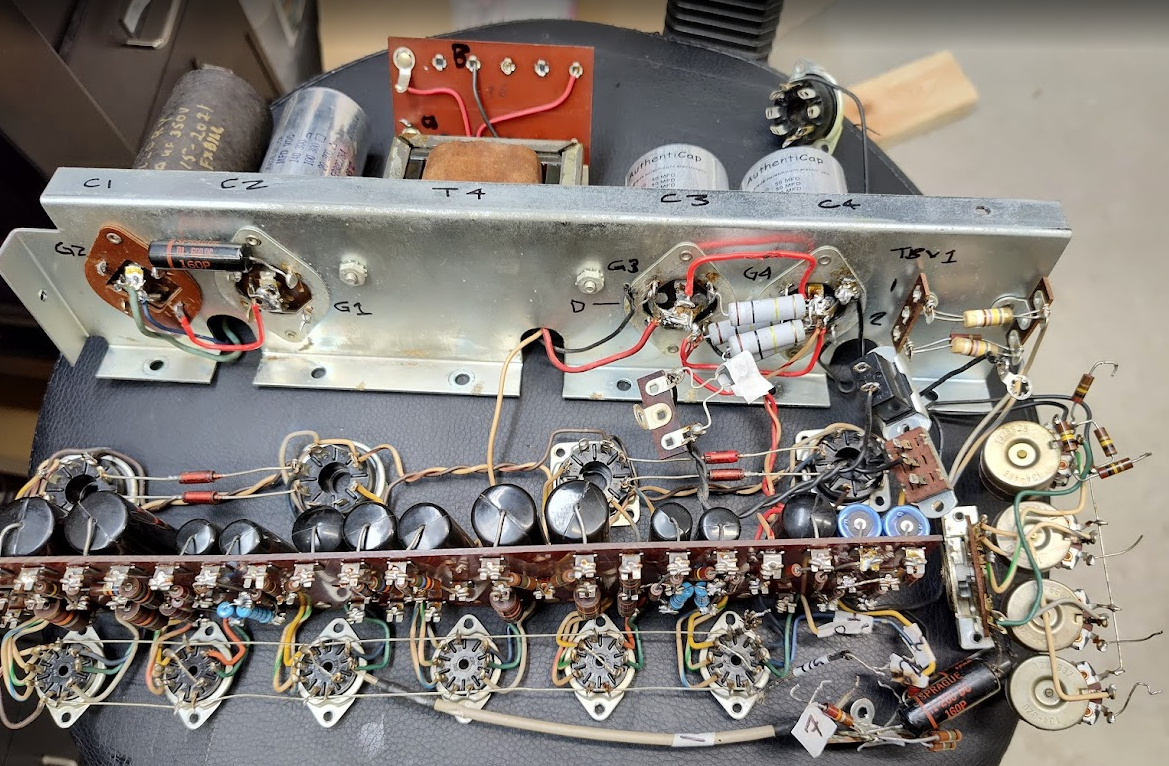
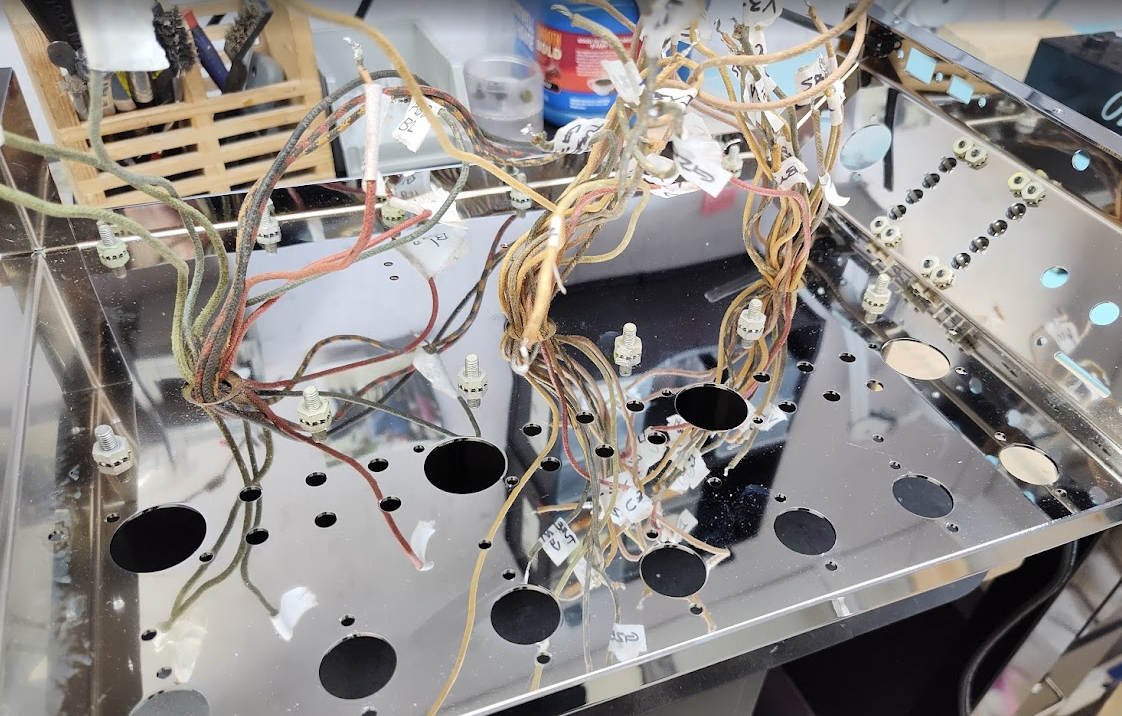
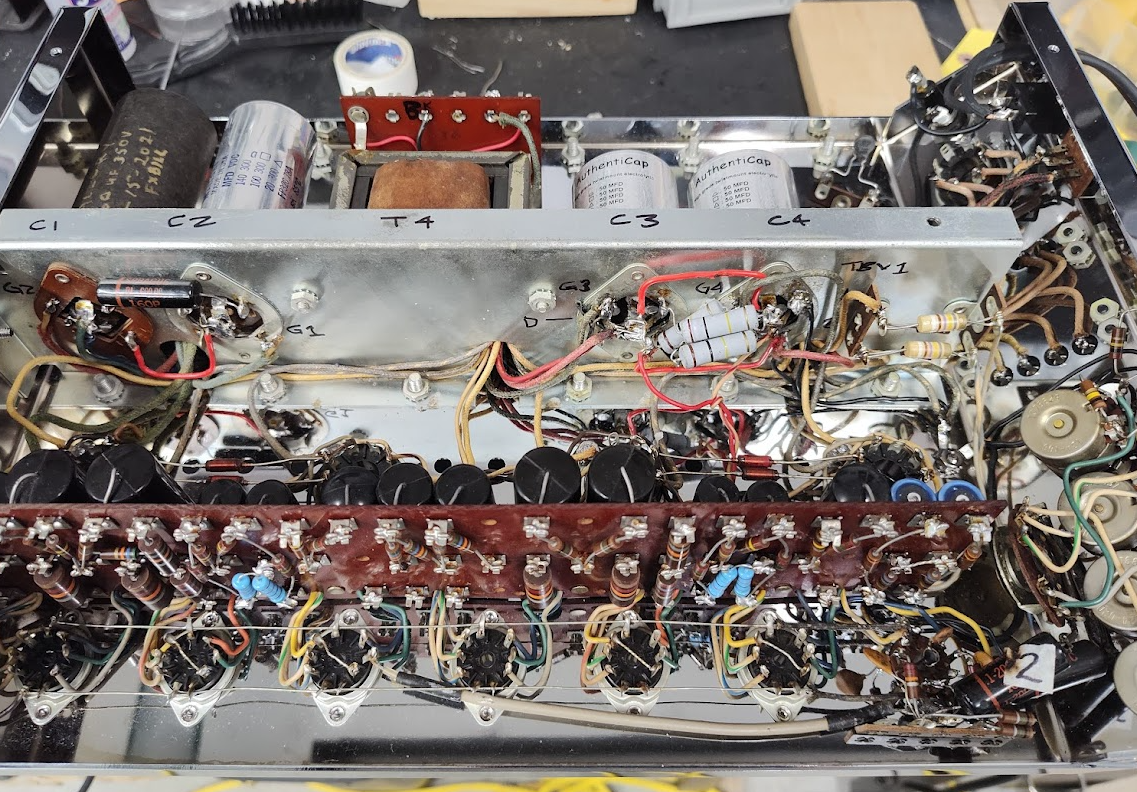
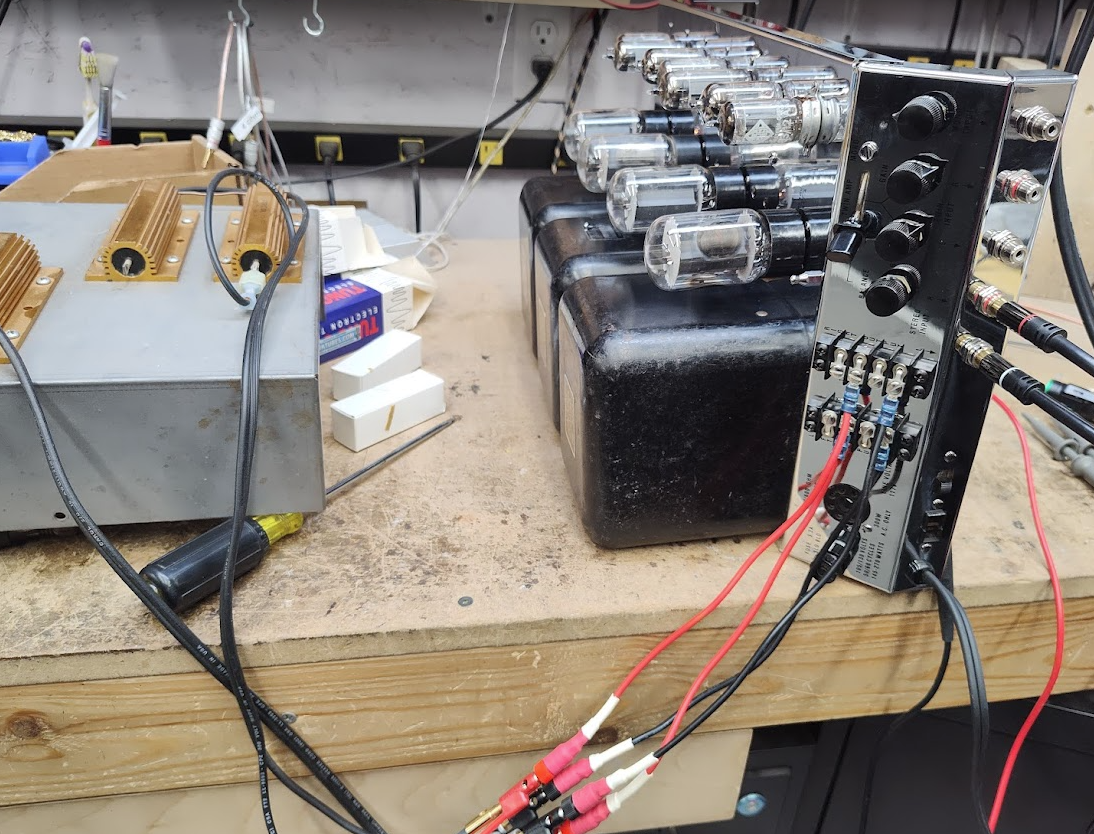
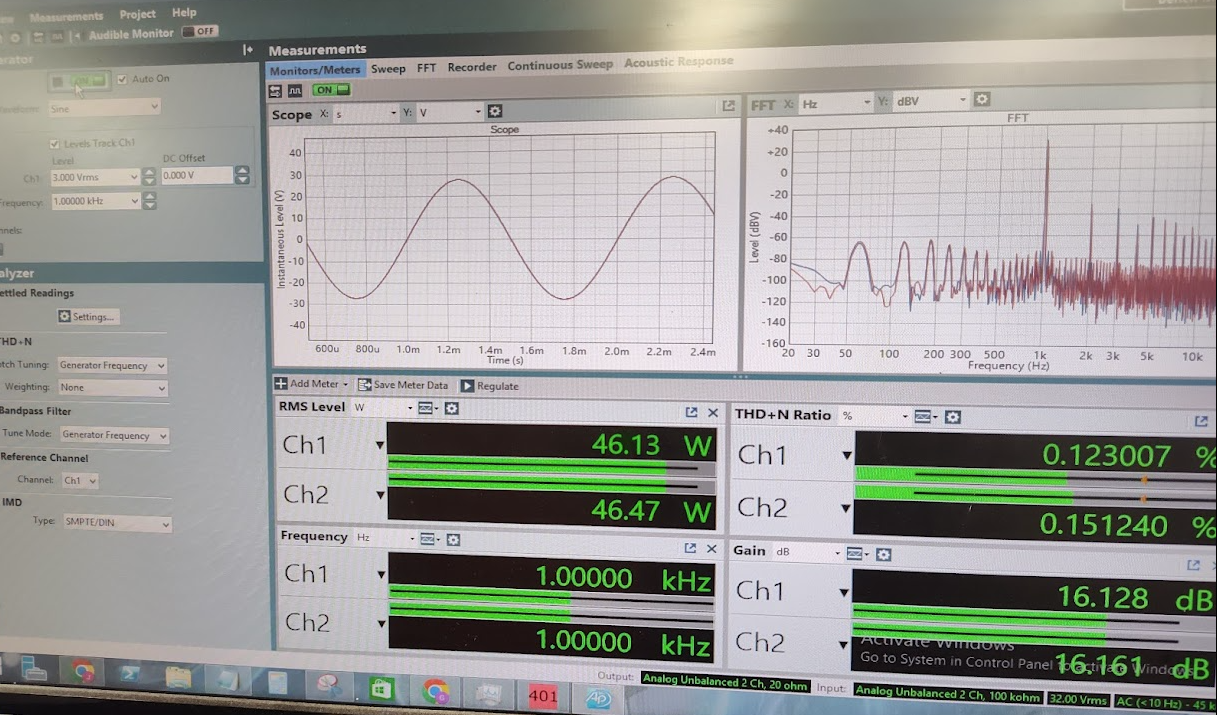
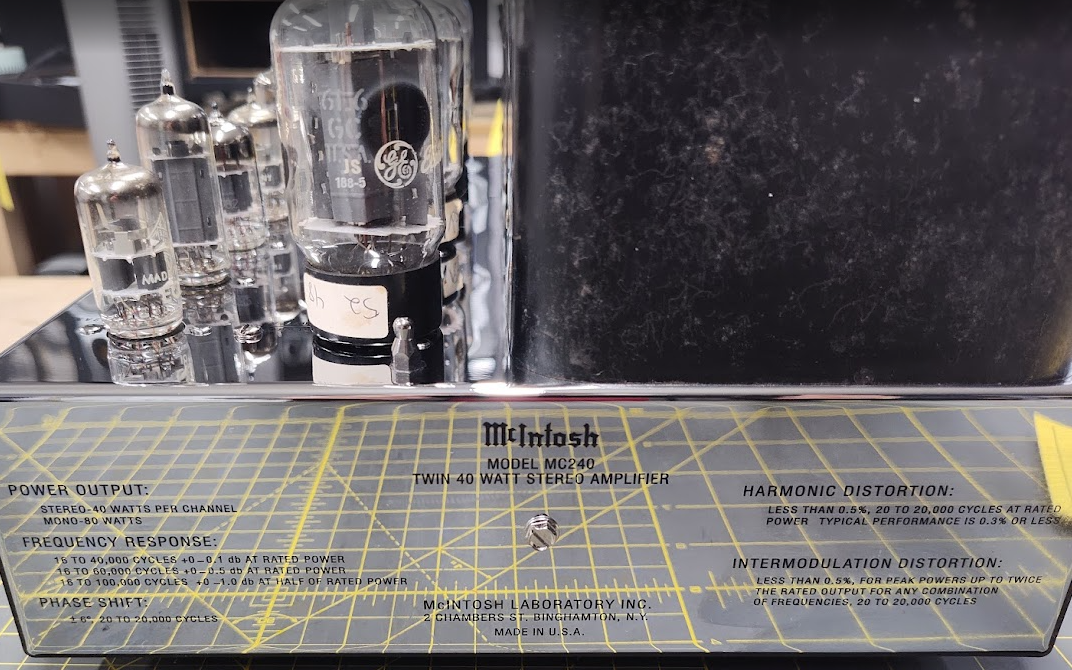
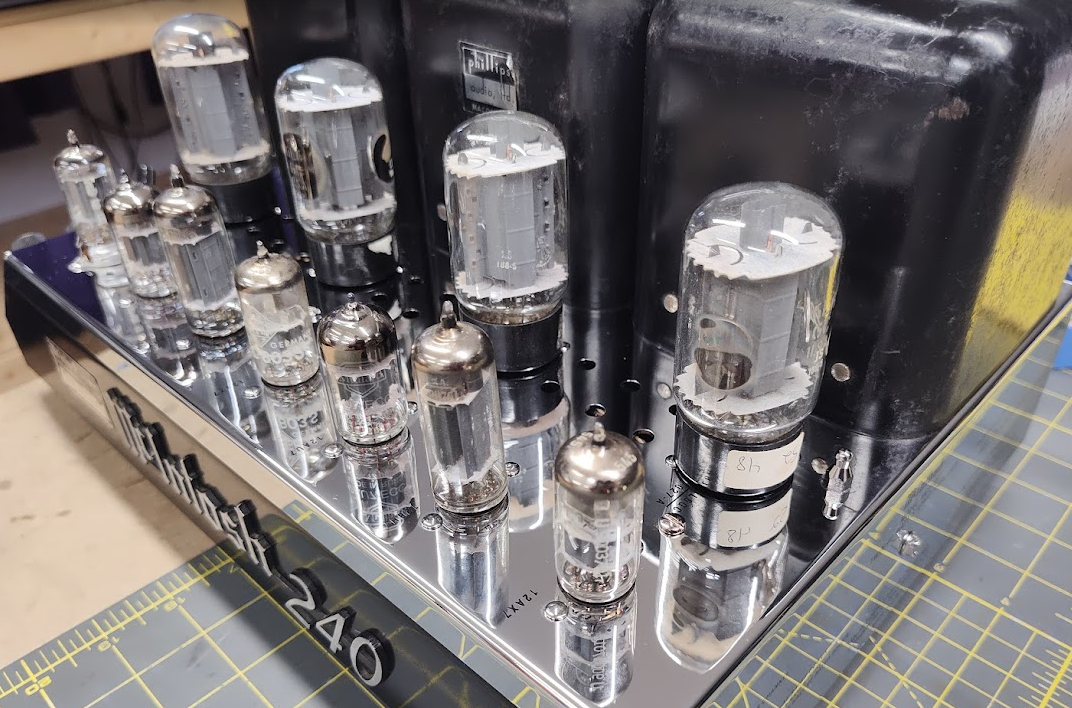
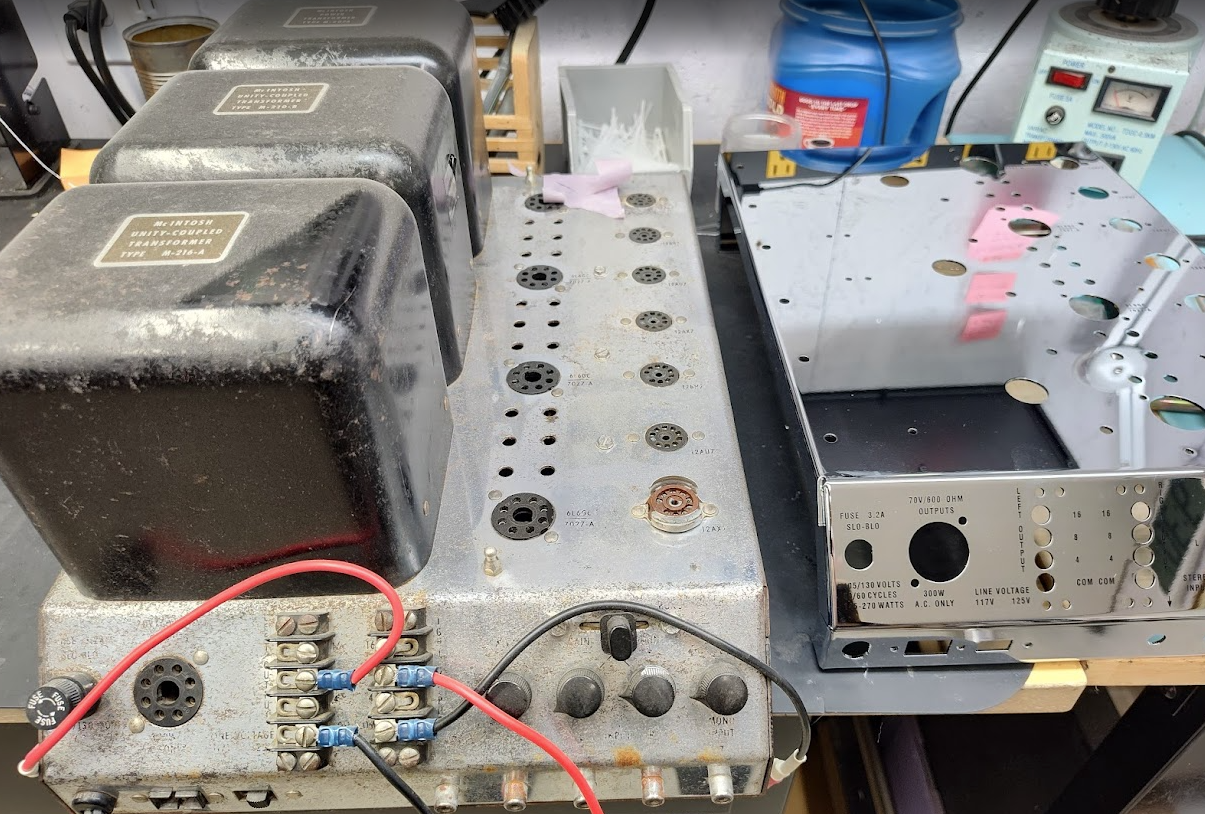
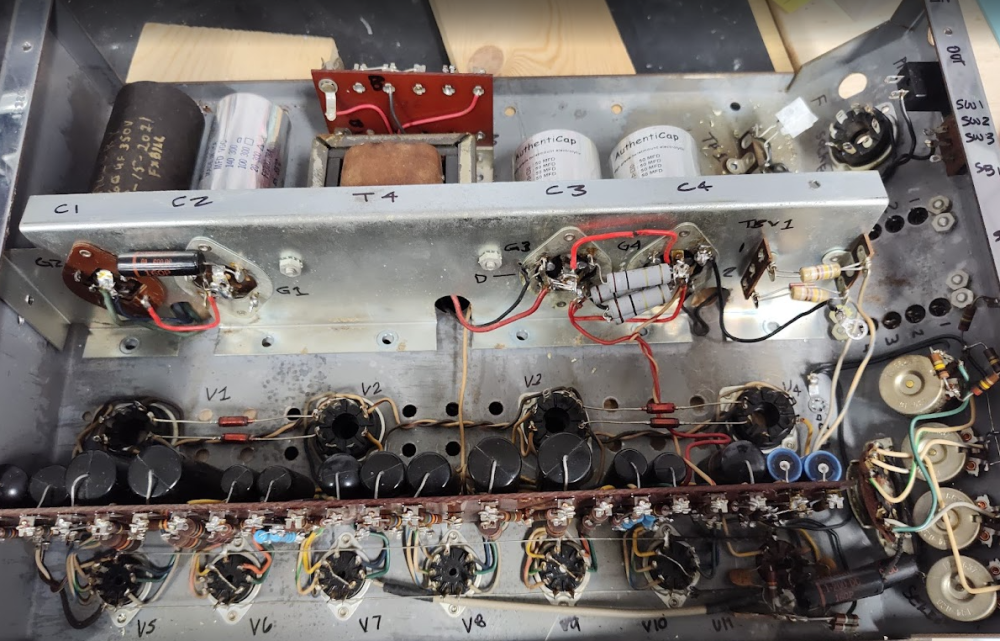
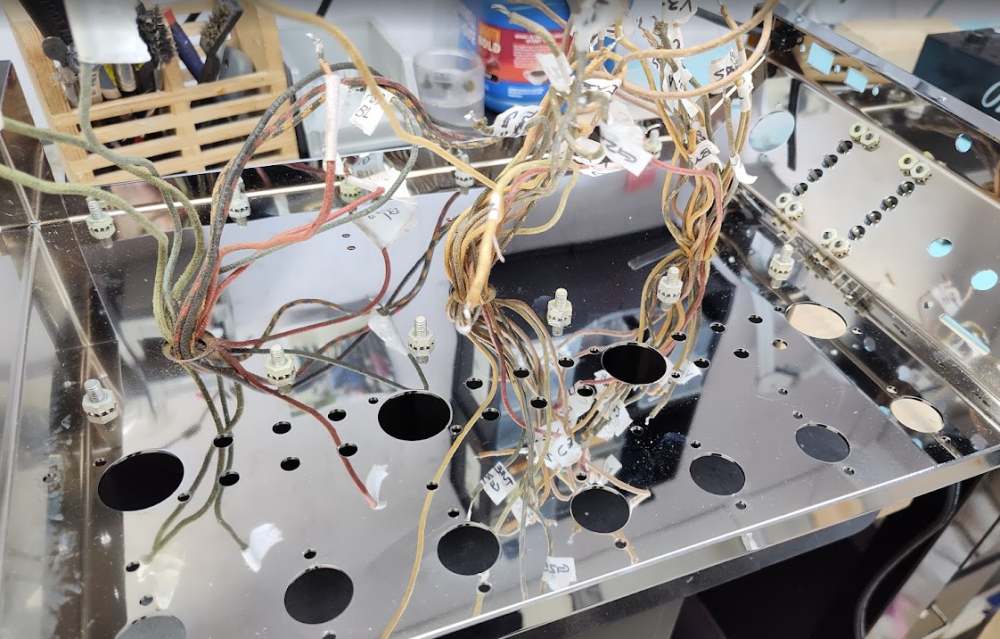
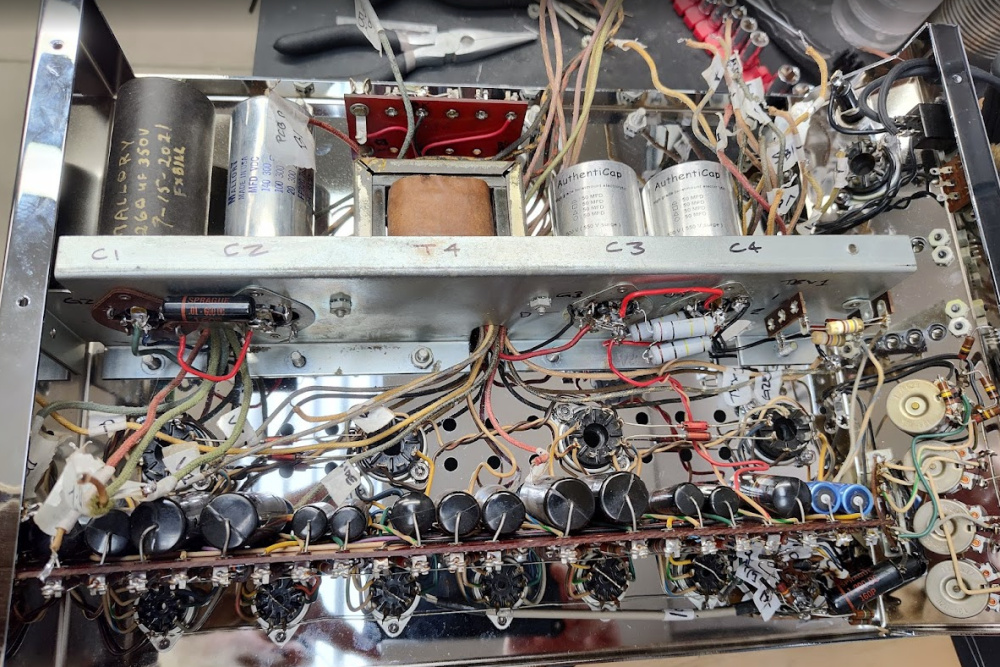
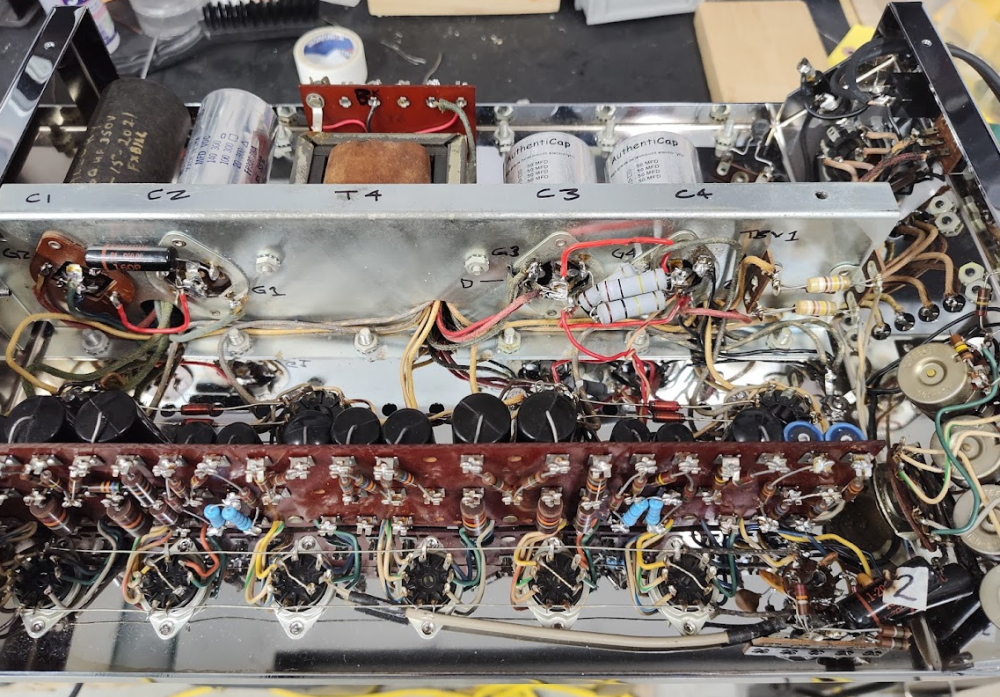
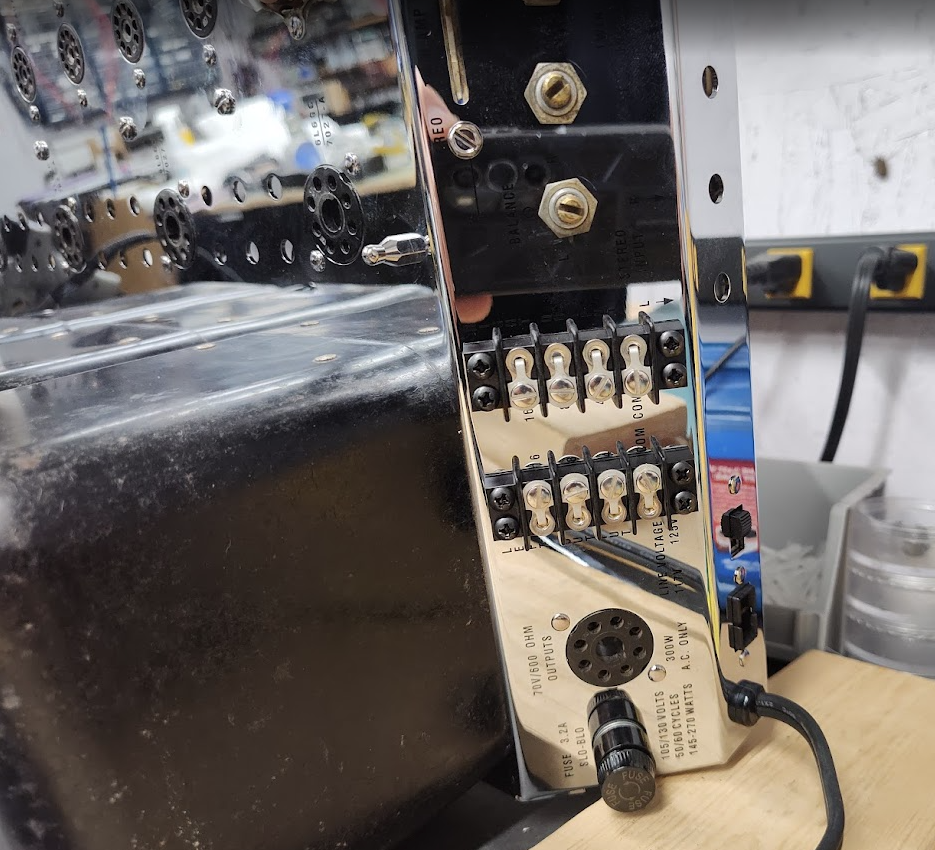
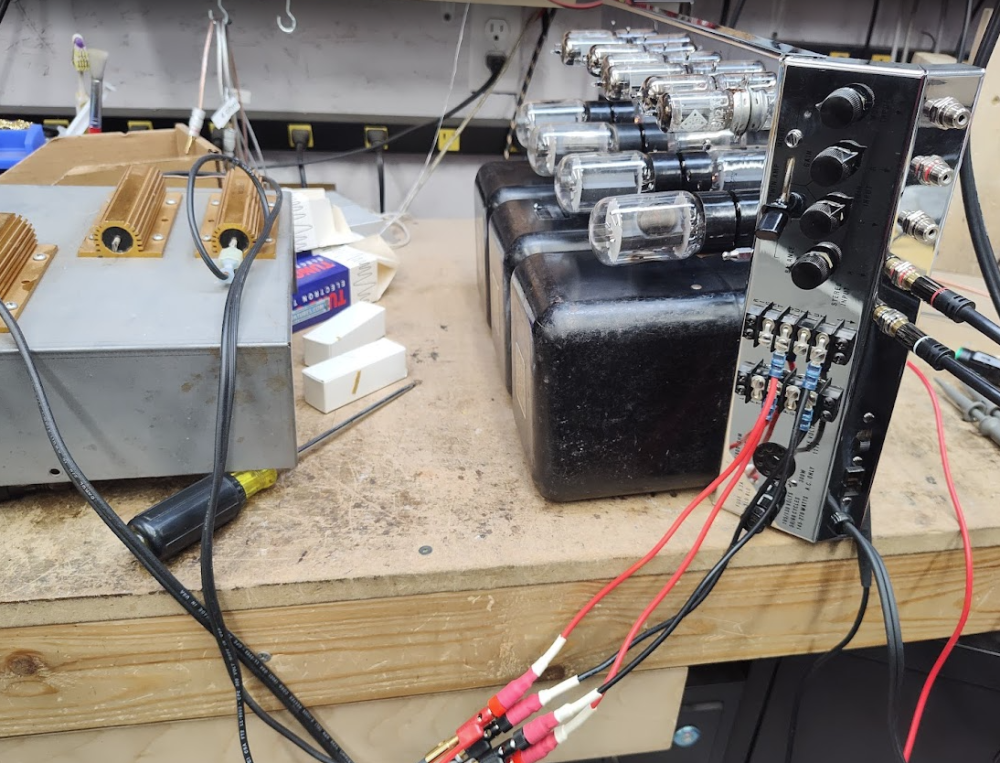
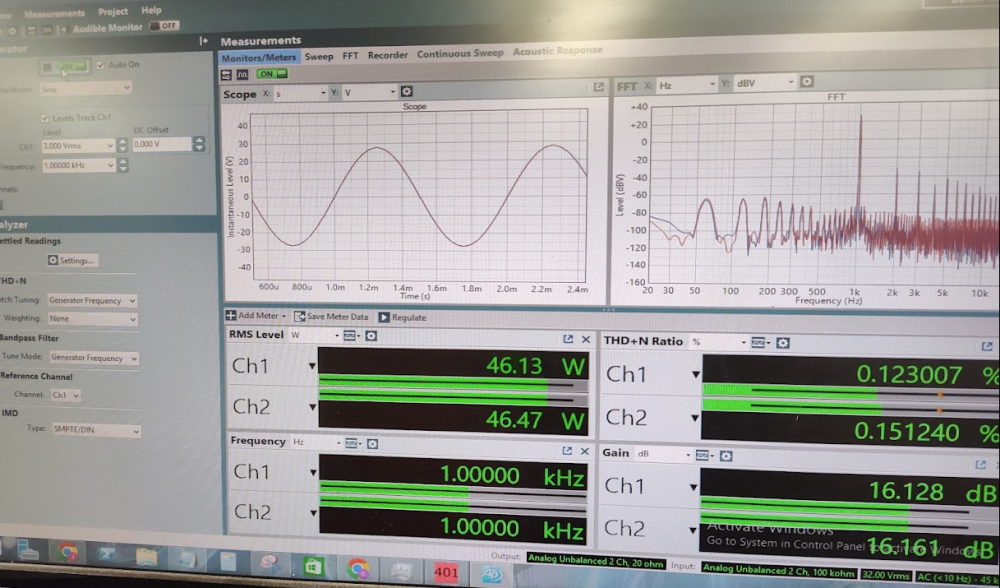
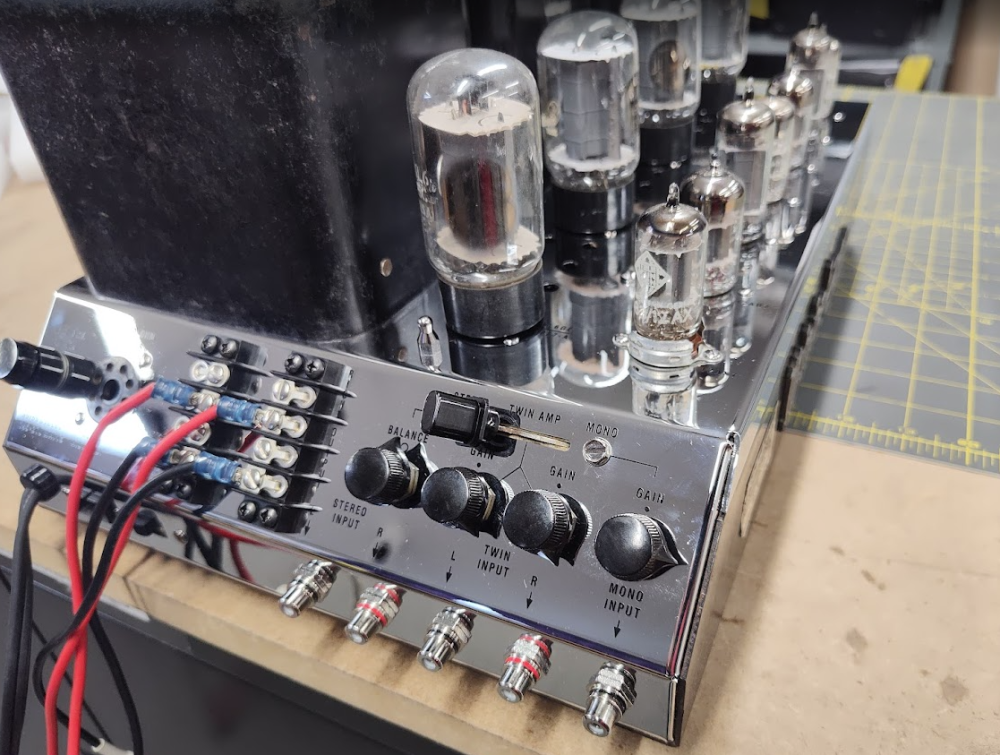
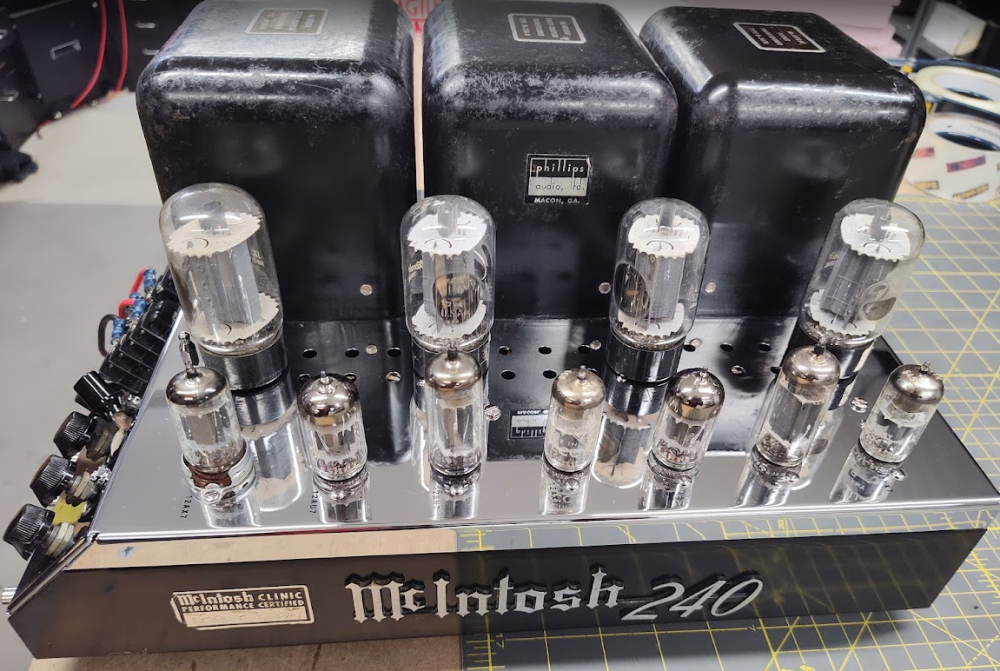
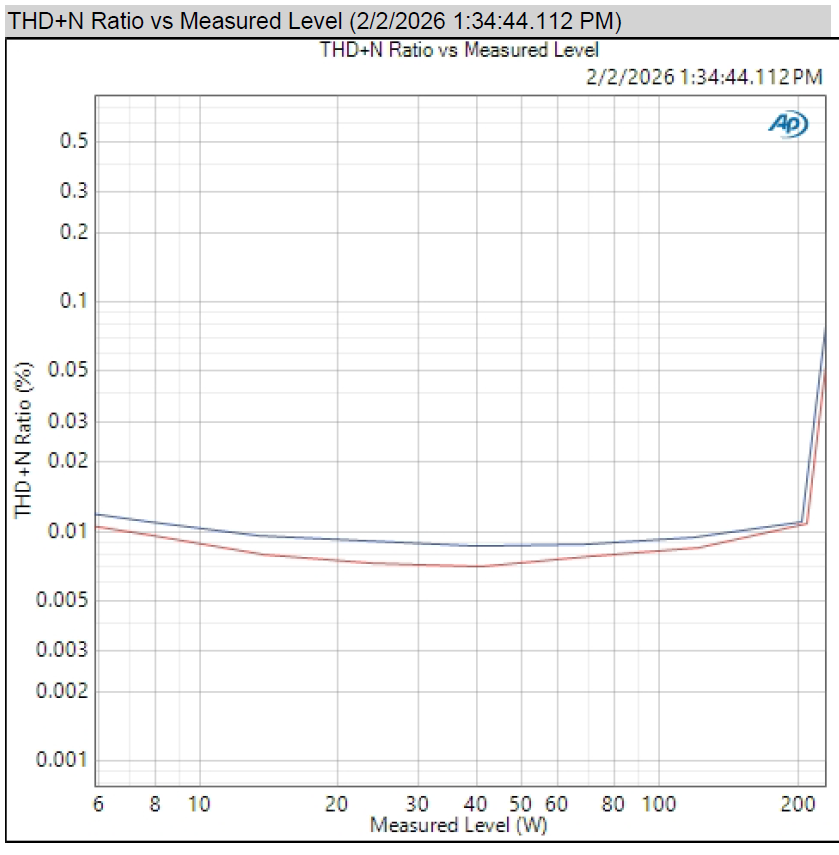
Transformer out! Parts of this thing haven't been seen by human eyes for over 50 years! Looking simpler with the transformer wires out. Its out!!!! Transformers through the new chassis. This was HARD. Each transformer is so heavy, and the wires are stiff and don't want to move, so getting each one set over the holes - both the wire entry and screw mount holes, is a real challenge. Riveted and screwed in - still a lot of soldering to do. Almost done. New power cord, new fuse holder, and I had to wait for the new RCA jacks because the stock were pressed into the chassis and they ain't comin out. New Speaker Blocks as well: Tubes in, and initial testing. It only has 16dB gain and a max power of 40W per channel, so I was quite shocked at how much metal it takes to make that happen - lol Test result after some tweaking. Spec is 0.5%, and it stays below 0.2% from 1W to 45W so we're good. I can make the THD change based on were I put the 6L6 output tubes, so matching is a factor on this topology. Some cutesy pics: I can look back on it now and call it fun... But it wasn't. HAHAHAHA!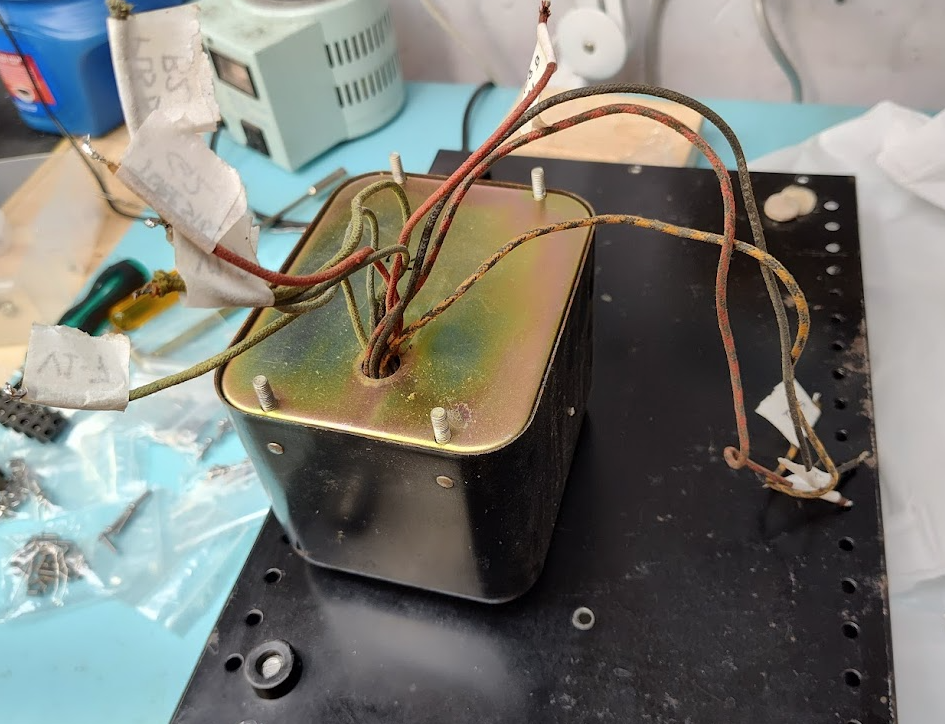

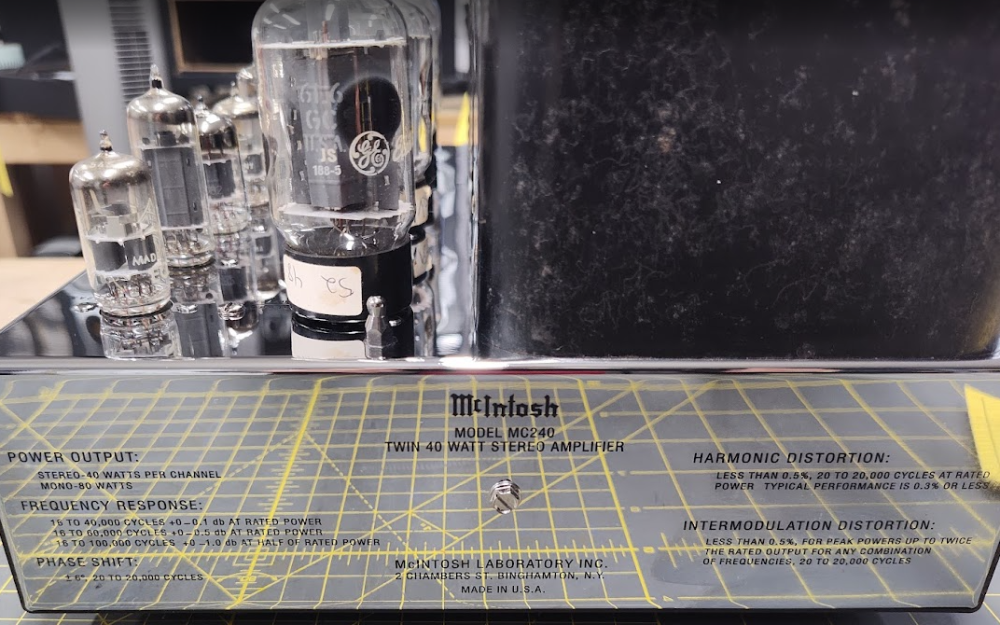
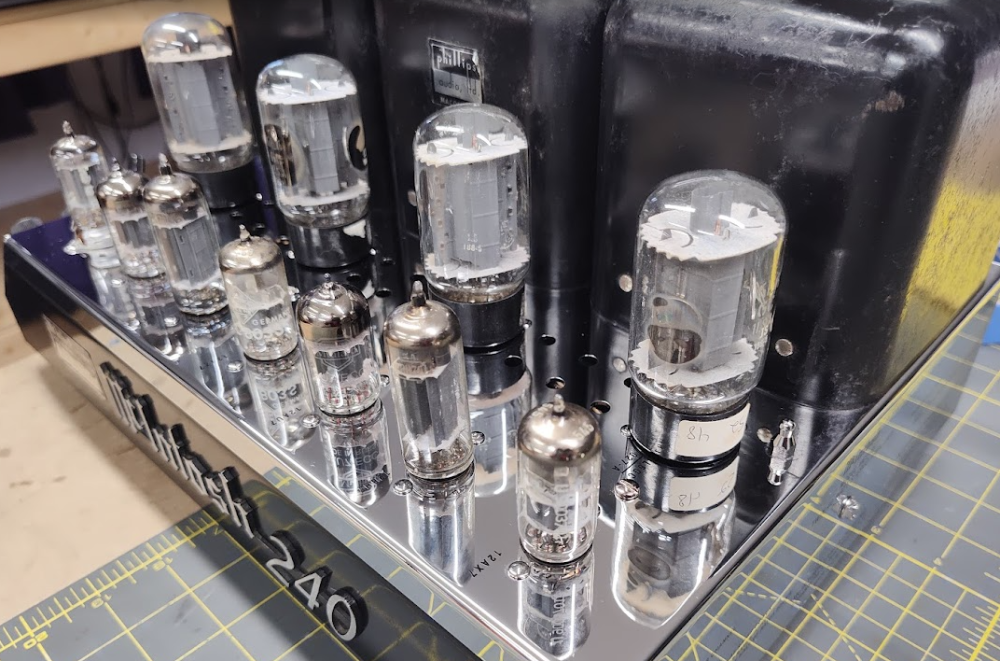
-
Miles Davis - SO WHAT
-
Billy Joel - Uptown Girl @1:27 Brilliant bridge. What a legend.
-
Tests great too!
-
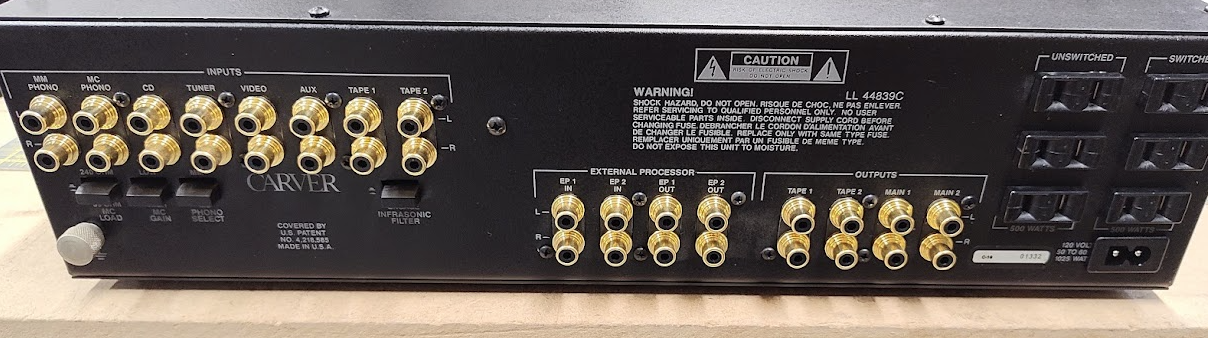
Gold RCA jacks for pre-amps
Nahash5150 replied to Nahash5150's topic in Nelion Audio's Vintage Audio Repair and Restore
C-16 (this was torture!)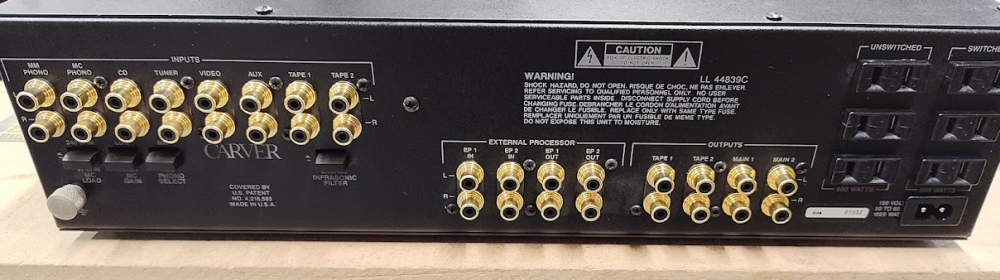
-
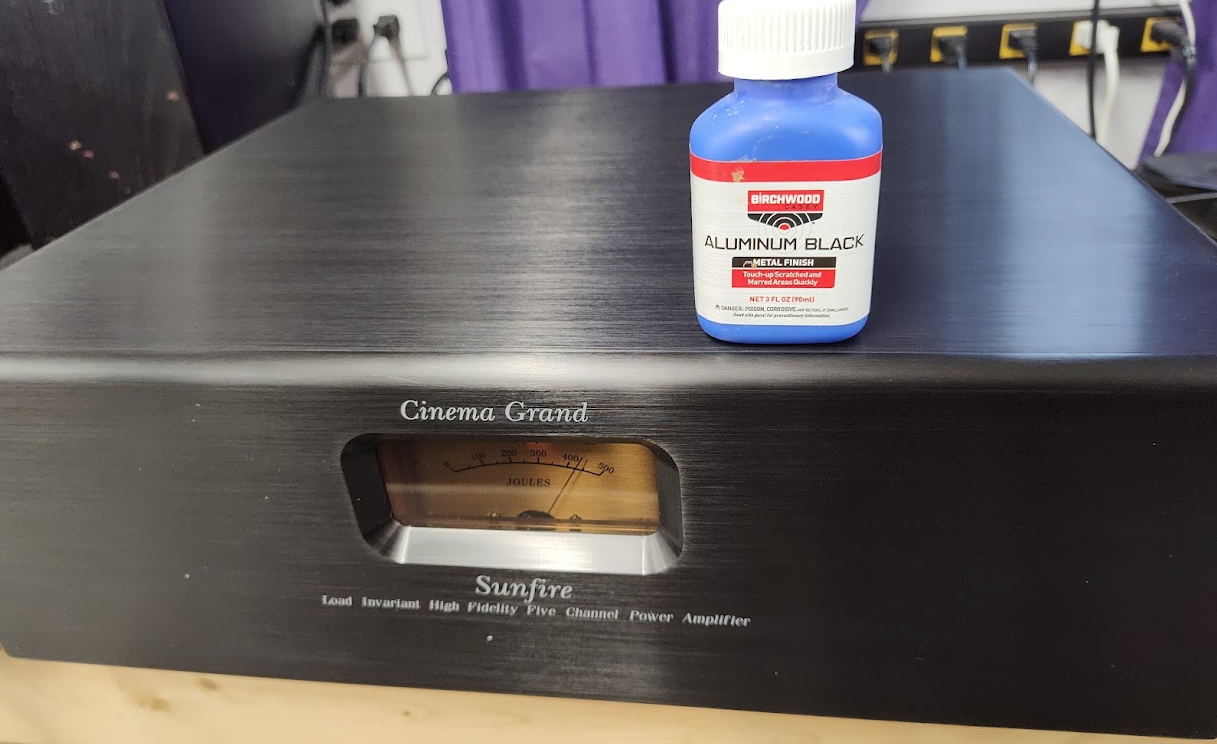
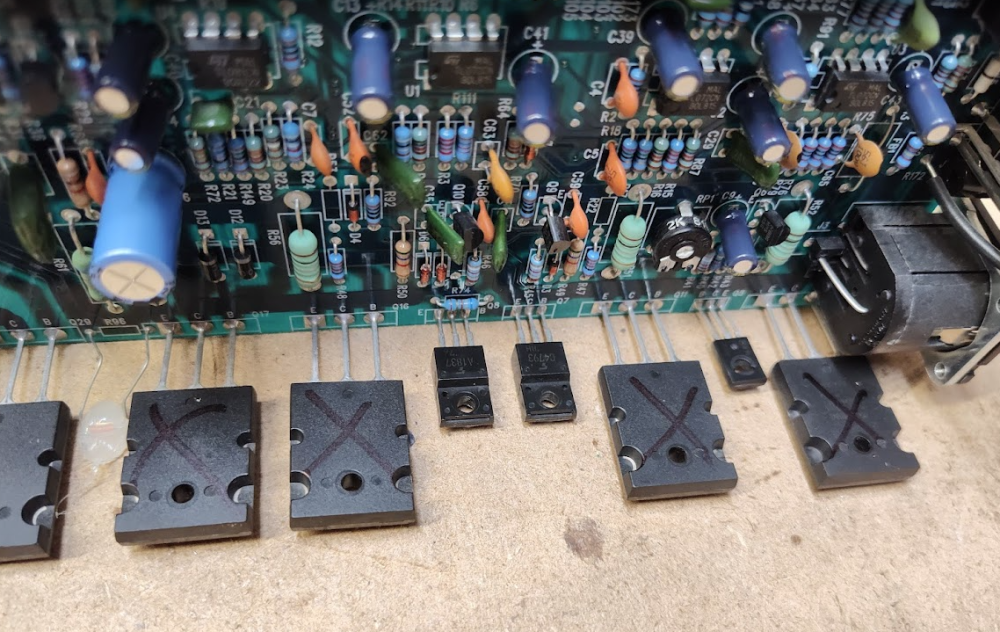
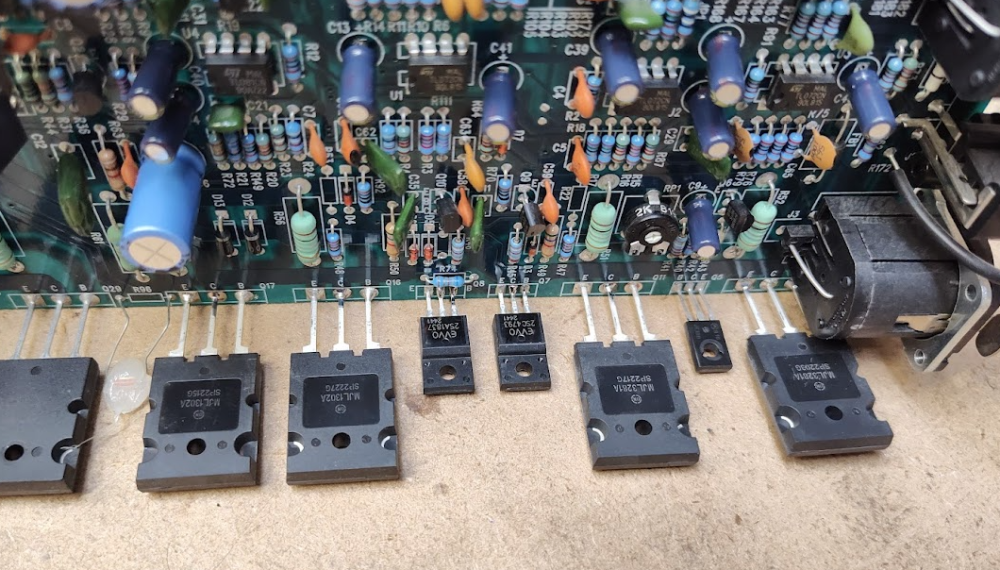
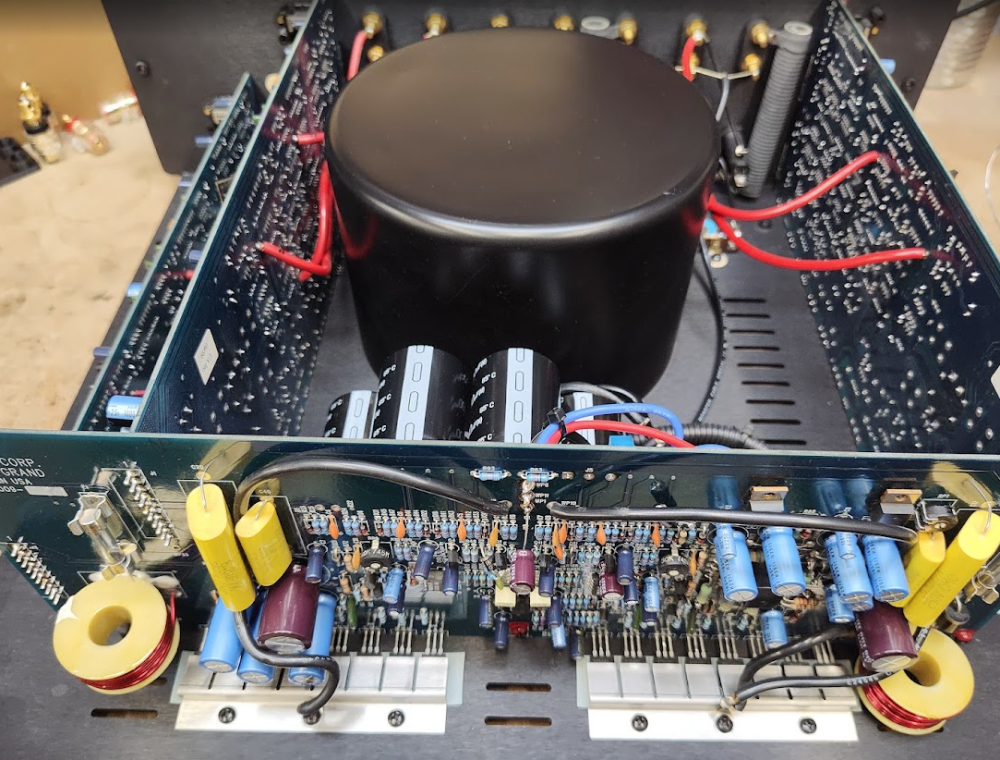
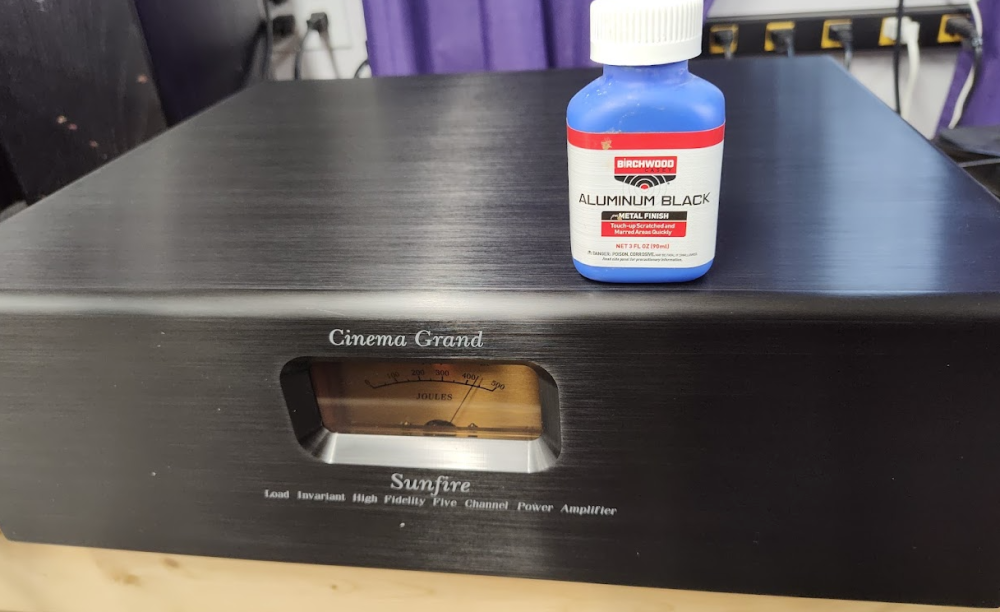
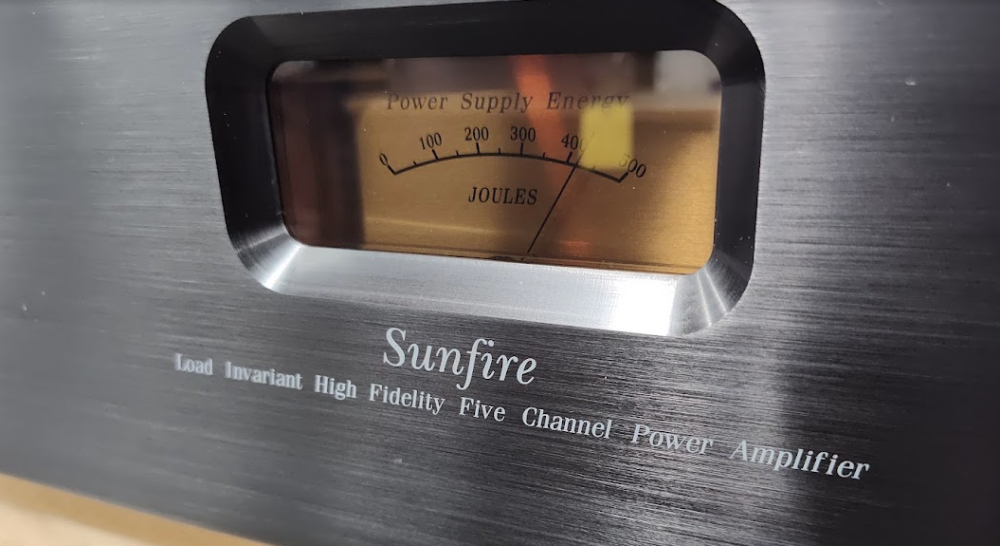
Bad bad bad! Thankfully, only a fuse and a pair if output transistors are bad. I replaced the whole stage though. All back together! New meter bulb and meter check, the cover is back on, and now a bit of faceplate cleanup Before: After:

-
Not really typical. They fail as a result of a few things like a failed TDC, bad regulation (bad caps), cracked solder joints, abuse, etc. The problem is that Sunfires don't shut down from a fault - they just mute. So power stays active during a failure until it becomes a light show. The fuses rarely save the day...they only prevent complete meltdown (hopefully).
-
McIntosh 240 chassis replacement
Nahash5150 replied to Nahash5150's topic in Nelion Audio's Vintage Audio Repair and Restore
Yeah - 20 hours is at the low end of time. I will not make any money on this. I have bills like anyone else - it's not about making money, it's about being responsible with it. I have to be very careful what work I take. If a project gets too demanding of my attention, other clients suffer. And I certainly do not want a shop full of unfinished projects that are over a year or two old. I told myself I would not do that... Anyway, fxbill is a great salesman. Looks like I'm doing it. For team Carversite...here we go... -
McIntosh 240 chassis replacement
Nahash5150 replied to Nahash5150's topic in Nelion Audio's Vintage Audio Repair and Restore
Correction - FxBill worked on it and he says it works...so...that is a bonus! -
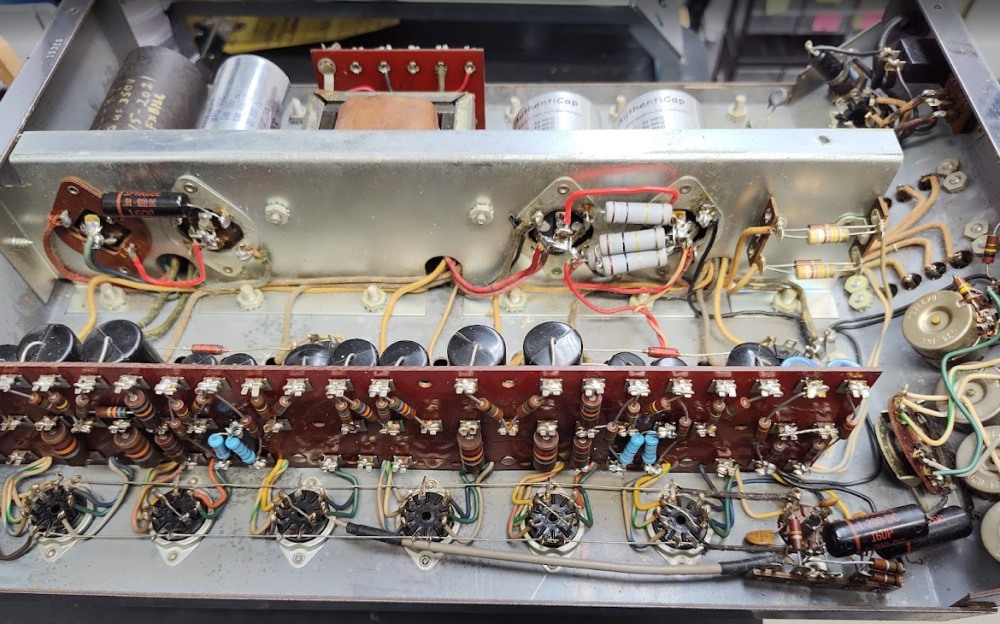
I may or may not do this...I'm having second thoughts. 'The guts just come out and go right into the new chassis...' Ha!!!!! It wouldn't be too bad if the transformers could just 'unplug' but they don't. Their wires travel everywhere...and that's real problem. There's no room for error - the wire lengths are precise. 3 transformers - each with 8 to 20 wires. All rivets have to be drilled out. All RCA jacks need to be replaced. The thing needs a severe cleaning and polishing. And the worst part - HUMAN HANDS. Previously worked on and it doesn't work. Worst problem ever. I'll need encouragement because I really want to say NO.

-
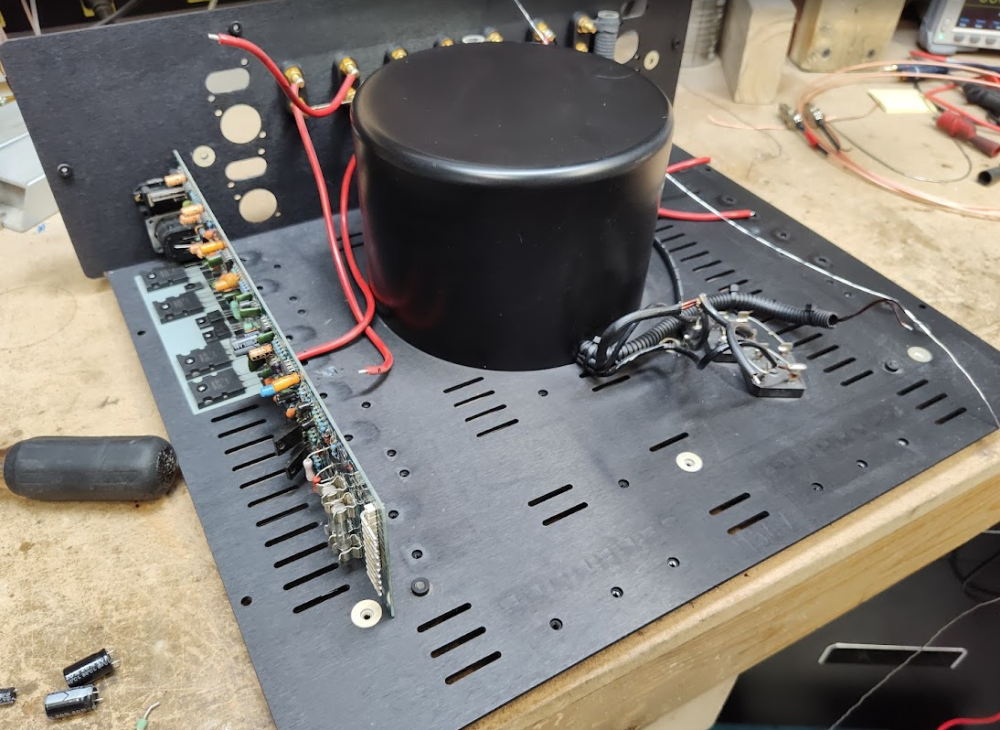
Tearing it down: And of course it has a blown channel...it's rare to work on a CG and it NOT have a blown channel.
-
I use these: https://www.mouser.com/ProductDetail/REAN/NYS367-0?qs=R5cXQUTKuHU8XkQYanQZXg%3D%3D The number after the dash selects the color. The above is black.
-
General Discussion - CarverFest 2026
Nahash5150 replied to sea's topic in CarverFest's Carverfest 2026
With a knife... -
a) this is not a full range audio device, it's a sub and has a brick wall low pass filter at 200Hz b) likely required by UL/IEC for safety from static electric discharge on the processing side c) only when it needs to, to prevent catastrophe d) It's a half-wave circuit - it just look strange because it's illustrating a full-wave device.
- 1 reply
-
- 4
-

-
Today is the 50 year anniversary of the Wreck of the Edmund Fitzgerald. Something I learned just today after watching a documentary - this recording was not a first take, it was the first time the band had ever played it. They tried recording more sessions but none were as good as this one, so this is what we have today. The only take, first time ever played by these guys! btw - it is still unknown how the ship went down.
-
Repairs to my New M-1.0t
Nahash5150 replied to Vintageaudiorevival's topic in The Welcome Shop (Please read first)
Then we need to go to amplifier repair 101, especially after finding shorted pre-drivers. Check these resistors since you didn't mention them: R154, 156 43R FR VAS HR emitter R146, 144 10R signal coupling R168, 170 10R FR HR low current R172, 174 10R signal coupling R196, 198 22R, 27R CMR bias Deviations more than 10% are BAD PARTS. -
carver c1 preamp infrasonic filter
Nahash5150 replied to robertcdt's topic in The Welcome Shop (Please read first)
The new RC4136Ns at Mouser are drop in. However using a socket on these chips does not present the problem in the C1. Special care is needed when replacing the op amps in a C1. It's very easy to lift the pads or break traces. As for whether you need to change one or not depends on what the problem is. If you don't have the knowledge and the equipment to assess what's causing the issue then changing the op amp can be a reasonable next step, provided you have good workmanship, but of course there's no guarantee this will solve the problem. 'Popping' is normally caused by a difference in voltage from one circuit to the next. The op amp could have a slight DC offset, there could be a bad solder joint somewhere, the switch itself could be really noisy even after cleaning, etc. If you could see the frequency response of the filter this would make everything so much easier. Because if it's working correctly then a little bit of noise is not a big deal because it's not like you stand there and play with the switch while you're listening to music. The more often you use the switch then the cleaner it will become. They are slide contact switches so they clean themselves the more often they are used. Convenient!