Ar9Jim
-
Posts
4,108 -
Joined
-
Last visited
-
Days Won
205
Content Type
Forums
Events
Articles
Downloads
Gallery
Store
Everything posted by Ar9Jim
-
Welcome to TCS, Sir. Enjoy!
-
 Here are a few lab pictures a gentleman shared on Facebook.


-
Hi Chris, I'll be back out to WA next year. That's the only picture I have .
-
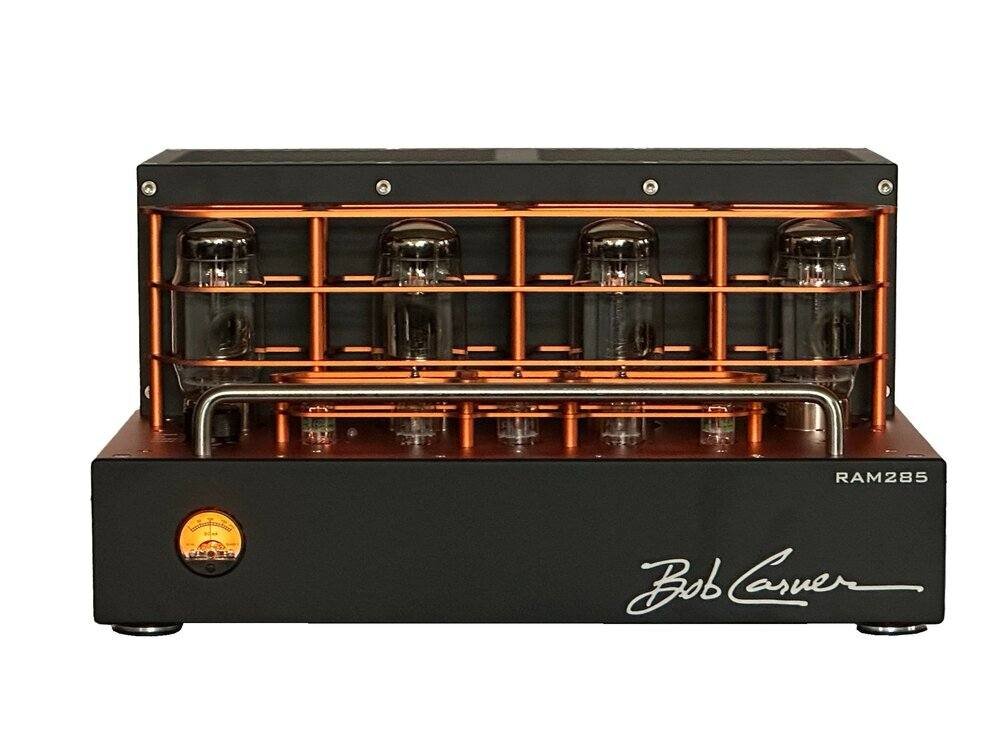
Which amplifier sounds best to you, Sir?
-
Here is a peak inside one of Bob's many closets at the lab house. He has another closet mostly filled with a huge transformer collection. Here is a portion of his vacuum tube collection and a couple spare Harmon Kardon Citations designed by Stu Hegeman. Bob said "the matching preamp is just ok, but Stu's amp was really nice." Bob thinks highly of Stu Hegeman. Sorry the pics are sideways.
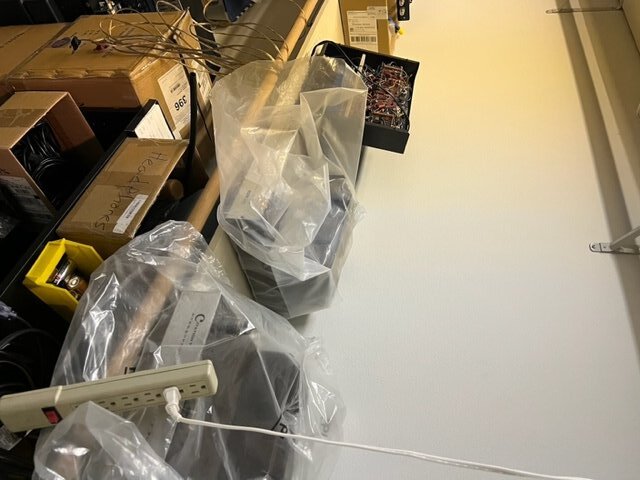

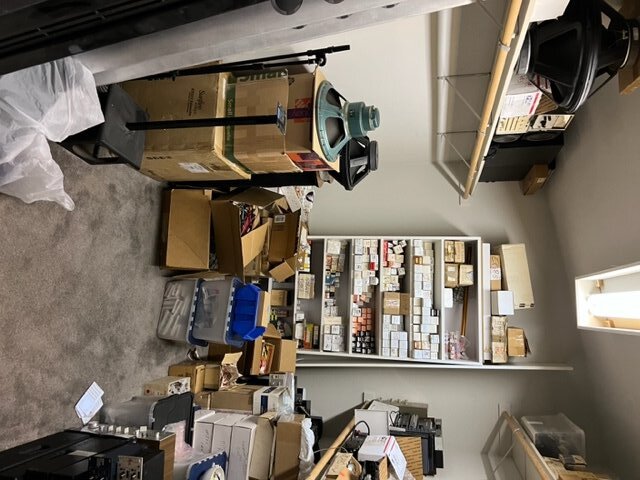
-
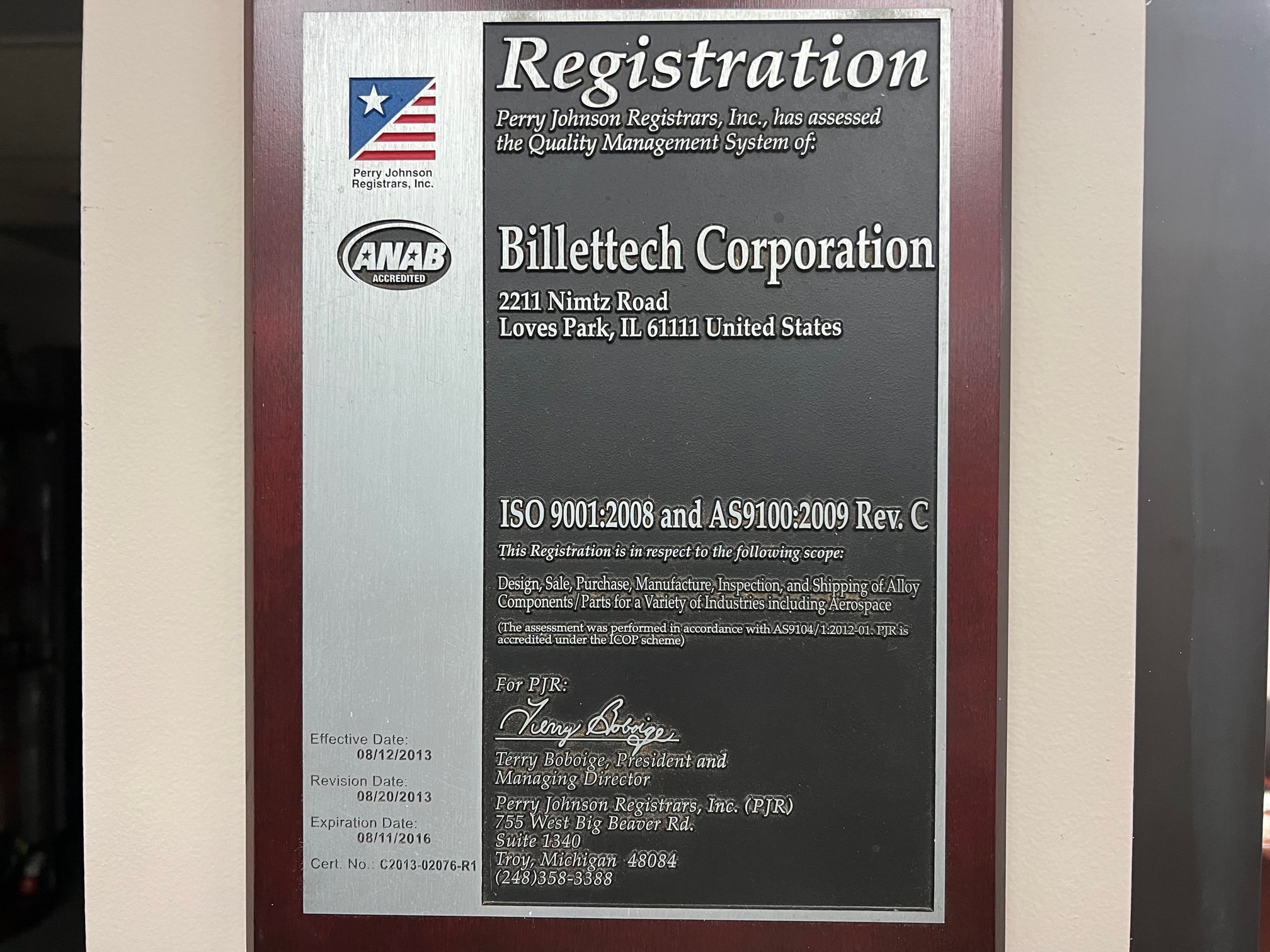
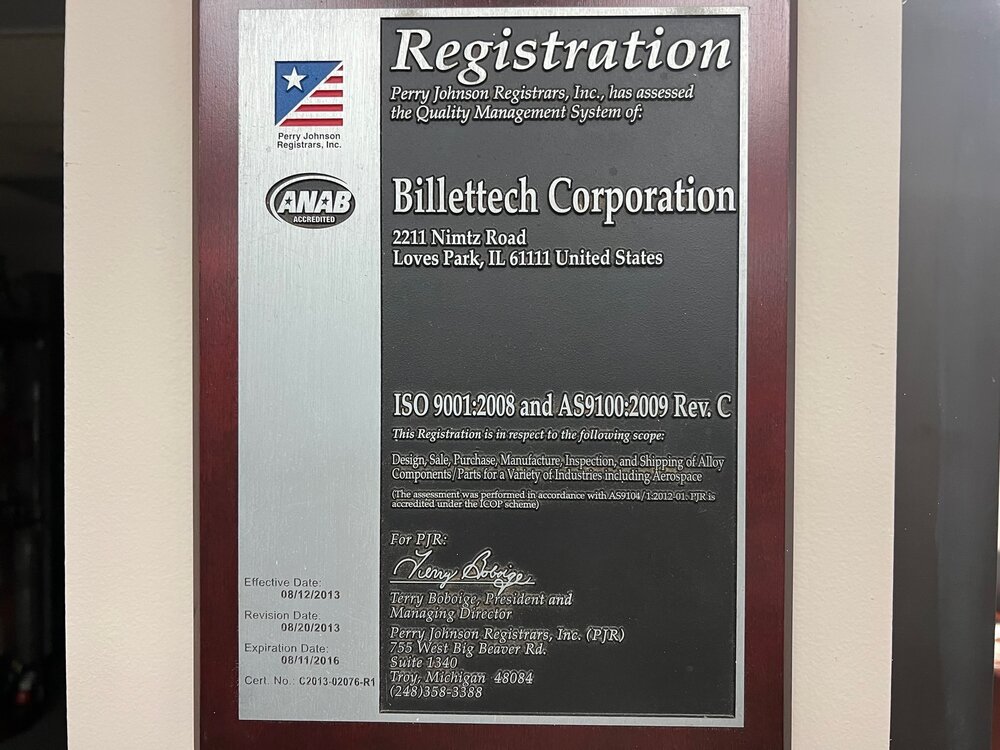
I started in 1986 working at a company called Woodward and received education at their school called The Academy of Industrial Science. Then took a Tool & Die apprenticeship.. I started a company designing and building tools, dies and custom fixtures for the local aerospace companies. The local companies were having difficulty finding vendors to produce the quality of work they required for production and kept pushing me to run production aerospace components for them. Aerospace requires a high level of certification, with regular audits of your entire operation with a fine toothed comb. A single error on a piece of paperwork is a huge problem. A test instrument found out of calibration, OMG, that could ground aircraft around the world. Very serious environment. Everything is measured and documented. It's not the wild west of physics in aerospace like it is in audio. Physics are not some debatable "we don't understand or can't measure it phenomenon." Believe me, you don't want 'audiophile engineers' designing products your life depends on, they speak a different language that would not fly. So for 20 years we produced products for GE Aviation and United Technologies along with designing and building tooling that they used in their operations and during assembly and test. We worked on projects for F14 thru F22, V22, Apache, rail gun, Sea wolf HVAC controls, Boeing, Airbus, CFM Int.. Lots of things. 70% commercial, 30% weapons. Here is a picture of a certification required to work at this level . I sold the company in 2016 to a larger local aerospace company. They moved most of the people and equipment to their main plant. AS9100: What is it? Who needs it? https://as9100store.com › Aerospace Standards AS9100 is the international Quality Management System standard for the Aviation, Space and Defense (AS&D) industry, created by the IAQG, and AS9100 Rev D ... It's this type of quality first, way of management that Bob and myself have been building into this company since day one.
-
Good points Glen, Agree about the 1Kz resistive load test as a baseline for power ratings. It is like the wild west without something standard. Some refer to these as "drain test" and there is valuable info in them. Bob has lots of load resistors in the lab. In the 2nd picture of Bob at his bench, note the row of load resistors standing in the corner. Maybe 8 of them bolted to an aluminum plate. Bob was asked this question: Q) Bob do you design amplifiers using load resistors? A) "Yes at first, early in the design as a baseline, but after that, designing to test well on a bench, and designing to perform great with music and loudspeakers is not necessarily the same design goal."
-
Agree with you Greg. That magnesium and titanium molten is hot.. We lit some on fire while placed on concrete and the concrete popped under it, sending if flying and caught the garbage dumpster on fire behind the factory.. Those battery cases are nothing to burn through at those temps. Next the EPA will visit his house and make them pay to clean the toxic waste site he created. It was great example of the effect of increased voltage turning up the speed and pressure on those loads.🤔
-
85,000 amp DC power supply at 12 volts! 85,000 amps won't even shock a human. Check out the change in electromotive force and magnetic fields going from 12v to 60v.. The beast wakes up and goes from heating to actually exploding the samples when shorted across the poles. Bob's tube amp power supplies have 200 volts above what is common. 450 volts DC is common. Bob Carver designs are 685 volts DC.. Bob has built lighter, lower cost amplifiers by leveraging higher voltage designs for manipulating reactive loudspeaker loads with musical authority.
-
Here is a great article on reactive load testing device called the "Power Cube" that was used in amp design at Carver Corporation by Ed Blackwood and engineers at Carver. Bob has used a selection of loudspeakers as reactive loads in recent years. Ed shared this article with me. Thank you Ed! The entire magazine is a great read. It's written by the late Peter Aczel. Peter is Bob Carvers favorite audio magazine editor. My background in aerospace manufacturing engineering, and the real science leveraged in aerospace is in conflict with the 'audiophile science' found in this industry. I went to Bob with my concerns about this twist on reality and conflict. Bob being a physicist, helps his research over decades to be very cut and dry. Bob doesn't play in gray areas and doesn't have to think about the answers. These are all old topics he knows well. Bob has studied amplification and experimented for decades to determine what actually sounds best. "Their are companies selling products today with no basis in science, it's almost comical." Bob Carver. When finding audiophile engineering and the marketing of that (science?) sort of disgusting. Bob pointed me to Peter Aczel as a science based writer who was telling the truth. It also talks about the Carver T mod, the fuss it caused and how the high end tried to discredit and destroy Bob Carver. Bob won. Hope you enjoy. Thank you again Mr. Ed Blackwood from Carver Corp. http://www.biline.ca/audio_critic/mags/The_Audio_Critic_20_r.pdf?fbclid=IwAR3nB3tVdGhmQ9IjdlOBbNEP5Tul-sctp1jC62_zXrs3qbFIGodWDLfpEbA
-
Here is some good information from Audio Precision (a popular analyzer manufacturer) on the need to do reactive and resistive load testing when designing amplifiers. Common resistive loads test are of limited value in determining the sonic performance of an amplifier, when driving reactive loudspeaker loads as its application. https://www.ap.com/technical-library/measuring-power-amplifiers-with-reactive-loads/
-
Here is some info regarding the interaction between amplifiers and their loads. The common bench test using load resistors at a static 4 or 8 ohms has limitations. A speakers actual impedance curve is hardly a flat line as shown here. the actual speaker load can be from less than 2 ohms up to near 30 ohms. Consider the application when looking at amplifiers. The best testing on a resistor is likely not the best sounding making music. The applications are not the same.. You must hear products for yourself. A resistor and transducer are not equal. The chief electrical characteristic of a dynamic loudspeaker is its electrical impedance as a function of frequency. It can be visualized by plotting it as a graph, called the impedance curve. The most common type of loudspeaker is an electro-mechanical transducer using a voice coil connected to a diaphragm or cone. Bob explains the ability of his design and all tube amps to increase their voltage in response to increases in impedance, as the reason tube amps sound bigger than their power ratings would suggest. Consider how much of the curve is actually replicated by fixed load resistor test of 4 or 8 ohms. https://www.audioholics.com/loudspeaker-design/understanding-impedance-electrical-phase/page-2
-
Question about the 275 being so light. Q) Bob, audio designers often talk about highly regulated 'stiff' power supply designs for amplifiers, you on the other hand, talk about designing supplies to be "bouncy or springy" in concept. Where does this ability to bounce enter the design? How do you do that? You are using lighter weight transformers as well. Help me understand. The design has been criticized on-line in resistive load bench test, but we sell them compared head to head in customers homes and we always win. A) That's a very good description of my design philosophy. Over decades, I've experimented with many design approaches and have come to conclusions about what sounds best from my experience. With amplifiers like the 25, 275, 350s, I let the power supply bounce. I use exceptionally high B+ voltage, usually 200v more than is common in audio tube amps. Under load the supply voltage will sag to an extent and then spring back. The smaller transformer running at higher voltage sags and acts springy. They are lighter and save weight and cost, while sounding better from my experience. I've designed for more than 30 years. I can't imagine an amp that actually sounds better. Q) Could the DC Restorer be described as a tracking bias supply? A) Well, let me think, it's been 10 years since I designed it.. A better description would be a dynamic bias supply. Almost all tube amps are ran with the bias current high to keep distortion down. They run hot and that kills tube life. I like mine running almost cool in comparison. The DC restorer allows me to do that. When more bias is needed it's response is dynamic. Q) Does that dynamic response make the amp sound better? A) No. It sounds no better or no worse, but tube life is in decades not years. Q) Bob, we have taken heat over the small Edcor output transformers in the 275 design. Some act as though the 19LB weight, that we used as feature of the design, was somehow deceptive, even though we could have peeled the 15 watt sticker off easily, or just have Edcor not mark them, if deception was even considered. A) I designed those Edcor transformers many years ago for another amplifier and had them in my collection of samples. As it turned out, in concert with my current feedback circuit and the much higher voltage design, the lighter Edcor sounds great. The spectral power distribution of the design closely matches that of music. The frequency response should be flat. Power response need not be, does that make sense? Not many people would understand that statement.
-
Bob, The Phase Linear 700 was a game changer for amplifier power by a large margin. How did you do that? Bob Carver - Higher voltage devices were key. The transistors amplifiers at the time could provide lots of current, but not much voltage. I said to heck with that, I want voltage! As it turned out, General Motors had some transistors in their ignitions that could handle huge voltage in KVs but not much current, so I filled the back panel with as many of those transistors as it would hold, then the current was enough. It made 700 watts, way more than anything else and put me on the map.
-
Bob, I notice the tendency for amplifiers designs to brag about highly regulated 'stiff' power supplies, but you talk about designing power supplies to be bouncy and springy. This seems in conflict, how do you design a supply to act bouncy or springy? Bob Carver - That describes my philosophy pretty well. What I do, is start out with higher voltage power supply designs by over 200 volts in most cases. By using a smaller transformer the voltage will sag, rebound and bounce acting springy. You can design for higher current or higher voltage. It cost less to design for higher voltage and it sounds better. Nice wide voltage swings and lots of headroom is what I like. The current needs to be enough.
-
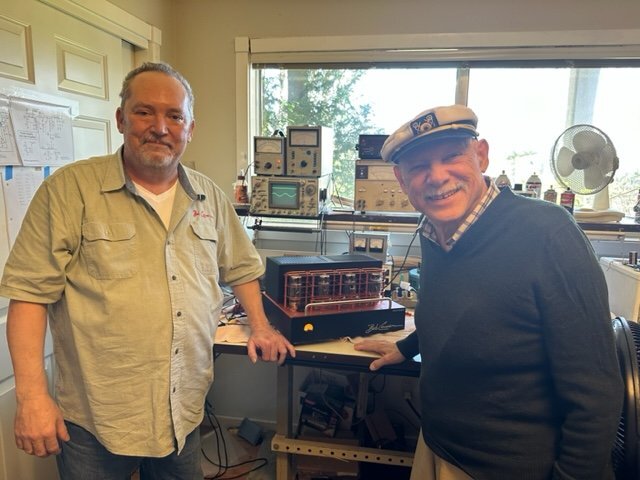
In this thread we will share the design philosophy and viewpoints of one of the worlds most famous and prolific audio designers. Bob Carver's point of view is based on his physics degree's from the University of Washington, followed by decades of experience and experimentation into what approaches sound the best and deliver the most enjoyable musical performance when driving loudspeakers. I'm humbled to have spent many weeks in Bob's lab and have asked many many questions about his philosophy and how it often differs widely from the mainstream. There is a lot to share. Enjoy! Jim Clark Director of Operations Bob Carver Company jim@bobcarvercorp.com 815-985-3557

-
As a consumer, it was clear that neither the test reports or the magazine reviews were in my best interest. Felt sort of deceived, actually. Hmm, who can I believe? Generally Bob Carver.
-
That's exactly what I did Chris. As a newbie 30+ years ago .005% THD had to equate better sound over .05% I thought. That is an order of magnitude in improvement, that is huge. Now I listen to tube gear that measures even worse. At full power THD+N is almost .5%. That's an order of magnitude in the wrong direction! That makes no sense. The sites that recommend audio products based purely on numbers, have believers, that will miss out on the best experiences of the hobby, but they can brag about numbers if that is of value to them. On one hand buying by numbers is honest, on the other hand it's deceptive. I'm thankful to know the difference. The hobby has been a lot more fun than simply chasing zero's. For some its about chasing the best numbers, for some it's about chasing best sound. Listening clears up all the confusion and the game becomes quite clear.
-
Certainly nothing against the Adcom 555, objectively it measured better than my M400 at the time. The 555 was in all of the magazines getting great reviews. Giant killer and all of that. Subjectively the Carver was superior to me, although as a newbie I took the bait that .005% THD equated to better sound over the amp I enjoyed with .05% THD.
-
As for me, selling my Carver rig in the late 1980s and buying Adcom, based on a magazines yearly spec sheet edition, and the better numbers of the Adcom was tragic and a very rude awakening. My desire to ever buy another audio product, without hearing it at home first ended. I didn't keep the Adcom because it measured better. The Carver was far better at its application. My experience and answer to the subjective question is absolutely not.
-
It's a subjective topic as to what sounds best, so there is no right or wrong answer, like many topics of the hobby, people will argue and both are correct. Objectively, measurement wise, the higher tech will always win. Same story with transistors and vacuum tubes.. The transistors measure much better but do they sound better? That's the subjective part and there is no wrong answer. . Objectively all you need are CD's and some low cost op amp based electronics to make good numbers as the best performance you can get. Subjectively the difference are night and day. But then again, numbers don't lie. Do they? Personally, I like the detail of good digital mixed with the analog of tube gear. Some like vinyl mixed with solid state for some of the same reasons, I've noticed.
-
Welcome to TCS Quattro. Enjoy!
-
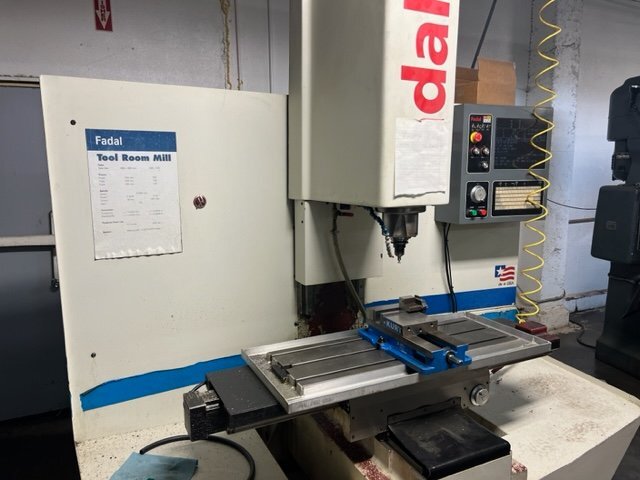
Really great machines that still have a use. It's fun. There are not too many old guys left that know how to get things done using them. These that I have been using sit unused most of the time.. This small Fadal is handy for toolroom work and limited production.. It can be used manually or CNC.
-
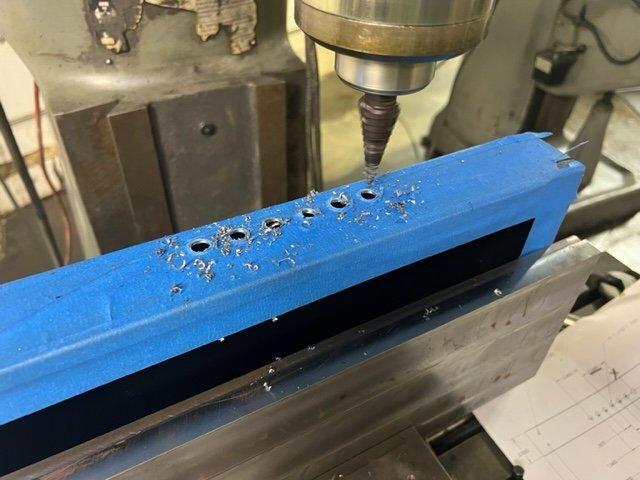
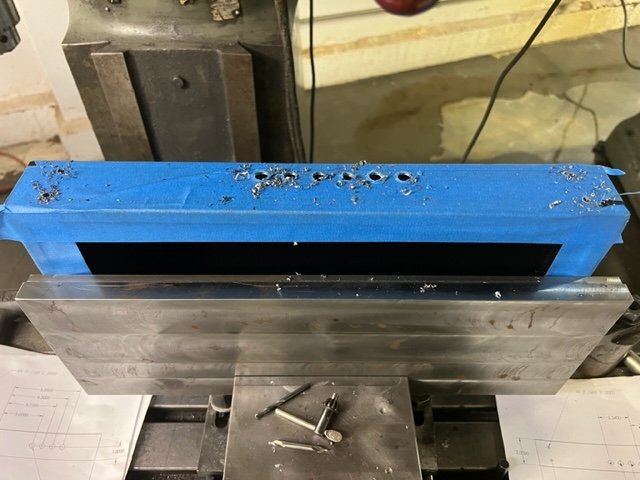
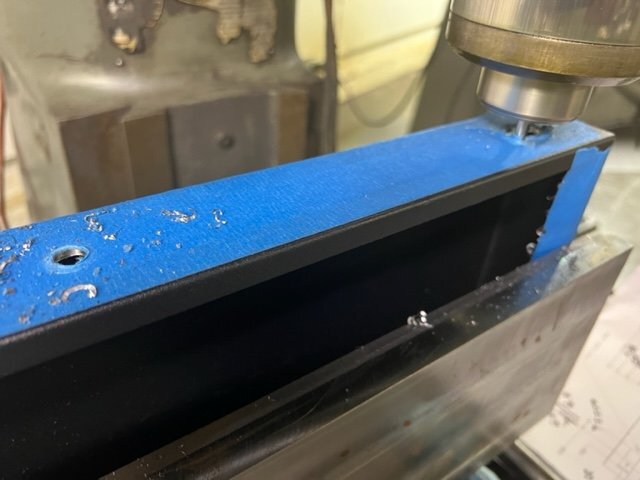
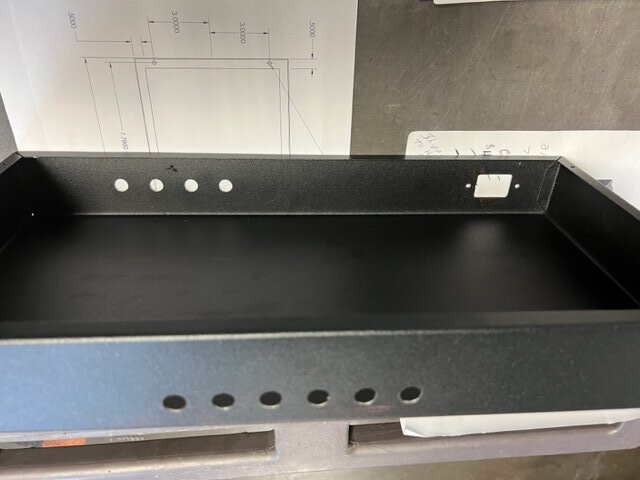
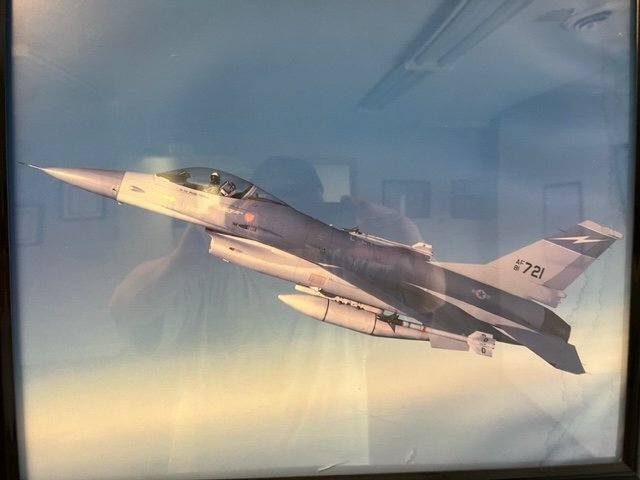
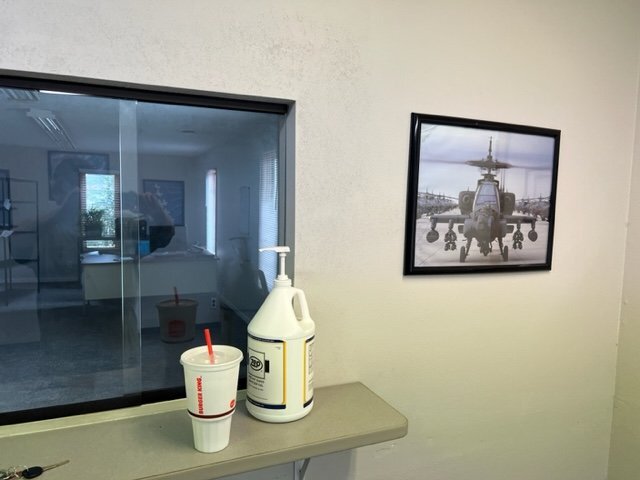
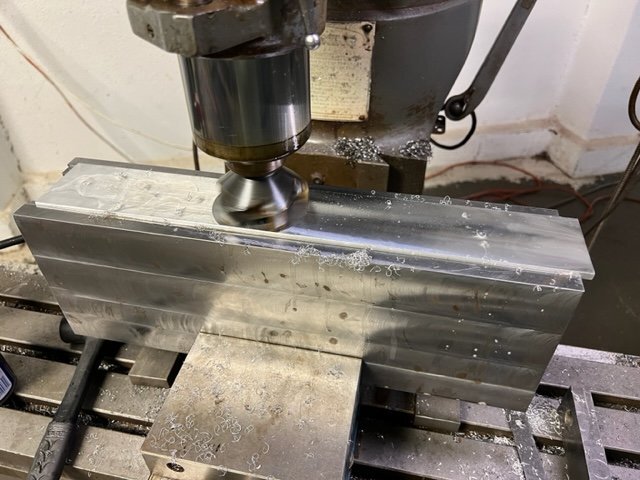
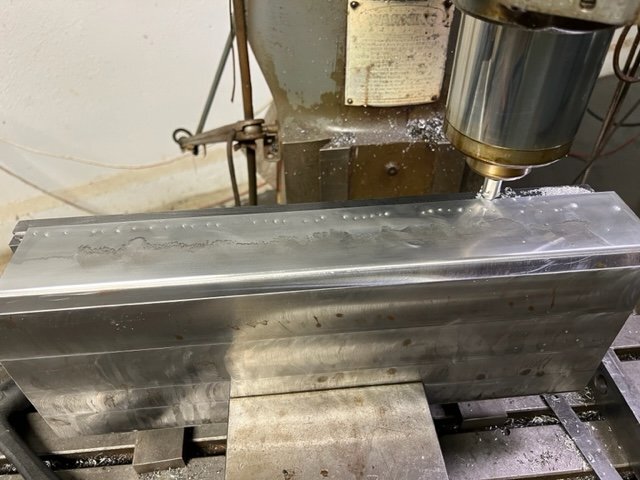
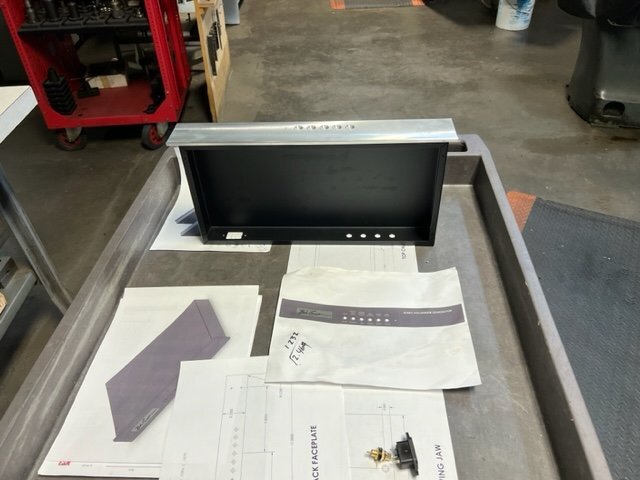
The work holding fixture worked very well for both the chassis and the faceplate. The chassis and faceplate machining is about complete. Some 6-32 threaded holes will be added to the back of the faceplate. The clearance holes are drilled in the chassis. This will keep the faceplate clean without screws showing. The button holes were radiused with a ball nose end mill to fit your fingertip like the V12. A few pictures of military aircraft with parts machined at this location and Plant 1. Used a face mill to clean up the 6061 aluminum. A corner rounding 3/32 R end mill was used around the edges to match the 285 and V12. The IEC socket clearance and screw holes were added. Close to metal finishing and silk screening now.






-
New Member from San Diego
Ar9Jim replied to Forresthicks7's topic in The Welcome Shop (Please read first)
Hello Sir, Welcome to TCS.. Enjoy!